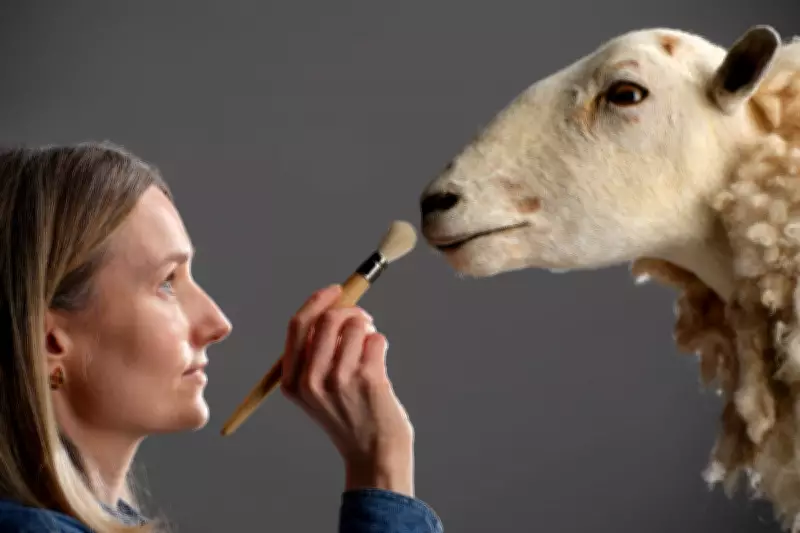
Morag the Cloned Sheep, Dolly's Predecessor, Goes on Display at Rural Museum
A pioneering cloned sheep, whose existence was crucial to the scientific breakthroughs that enabled the creation of Dolly the Sheep, is now on public display at a rural life museum. Morag, along with her identical twin Megan, made history in June 1995 at Edinburgh's Roslin Institute. They were the first mammals successfully cloned from differentiated cells, a monumental achievement that directly paved the way for the birth of Dolly the sheep the following year.
Historic Breakthrough in Genetic Science
Their arrival was hailed by experts as a significant technical breakthrough, demonstrating that viable sheep could be produced through nuclear transfer from cells cultured in vitro. This marked a pivotal moment in genetic science, setting the stage for further advancements in cloning and biotechnology. Dolly, born in July 1996, was the first mammal to be cloned from an adult cell as part of the Roslin Institute's research into producing genetically-modified farm animals.
Permanent Display at National Museum of Rural Life
Morag has now gone on permanent display at the National Museum of Rural Life in East Kilbride, South Lanarkshire, as part of a new section exploring the role of science in agriculture. The museum is a partnership between National Museums Scotland (NMS) and the National Trust for Scotland (NTS). Morag died in 2000 and was previously on display at the National Museum of Scotland in Edinburgh until about 2005. She was then cared for at the National Museums Collection Centre in the Granton area of the city before being moved to her new home.

Expert Insights on Morag's Legacy
Professor Andrew Kitchener, principal curator of vertebrate biology at NMS, said: "The birth of Dolly the sheep is remembered as one of the great scientific breakthroughs of the late 20th century, but that historic moment wouldn't have been possible without the arrival of Morag and her twin. Without them, there would not have been Dolly. It's very fitting that Morag forms the centrepiece of this fascinating new display at the National Museum of Rural Life, exploring the role that cutting-edge science can play in farming."
New Display Explores Future of Farming
The new display at the museum explores the future of farming and reveals how technology such as robotics and artificial intelligence could be used to solve problems which have existed for centuries. Three main themes are explored:
- Large-scale agriculture
- Small-scale food production
- Animal welfare
The display also tells stories of crofting in Scotland, providing a comprehensive look at agricultural practices past and present.
Dolly's Legacy and Museum Partnerships
Dolly the sheep died in 2003 and was donated to NMS by the Roslin Institute. Since then, she has been on display at the National Museum of Scotland in Edinburgh. At the National Museum of Rural Life, NTS cares for the historic buildings and gardens at Wester Kittochside Farm, while NMS manages the museum, grounds, and working farm. This collaboration ensures that both the scientific and cultural aspects of rural life are preserved and showcased for future generations.