Children born with a missing section of their oesophagus could benefit from a lab-engineered food pipe made from pig tissue and their own cells, according to scientists. Around 180 babies are born in the UK each year with oesophageal atresia, and about one in ten have a long gap that cannot be closed immediately after birth.
A breakthrough study, led by researchers at Great Ormond Street Hospital and University College London, has successfully transplanted lab-grown oesophagi into pigs. The organs were created by stripping a donor pig's oesophagus of its cells to create a scaffold, then injecting the recipient pig's own muscle cells. After a week in a growth fluid chamber, the scaffolds were implanted. Eight pigs survived the first 30 days, and after six months five remained alive with functional nerves, blood vessels and muscle, allowing them to eat normally.
Senior researcher Dr Marco Pellegrini said: 'Our technology could allow us to build a child a new oesophagus, using their own cells, collected in a surgery they are having anyway, combined with a ready-prepared scaffold from pig tissue. Because the graft contains the child's own muscle progenitor cells, it would be recognised as their own tissue. This means it could grow with them over time, without the risk of rejection and without the need for long-term immunosuppression.'
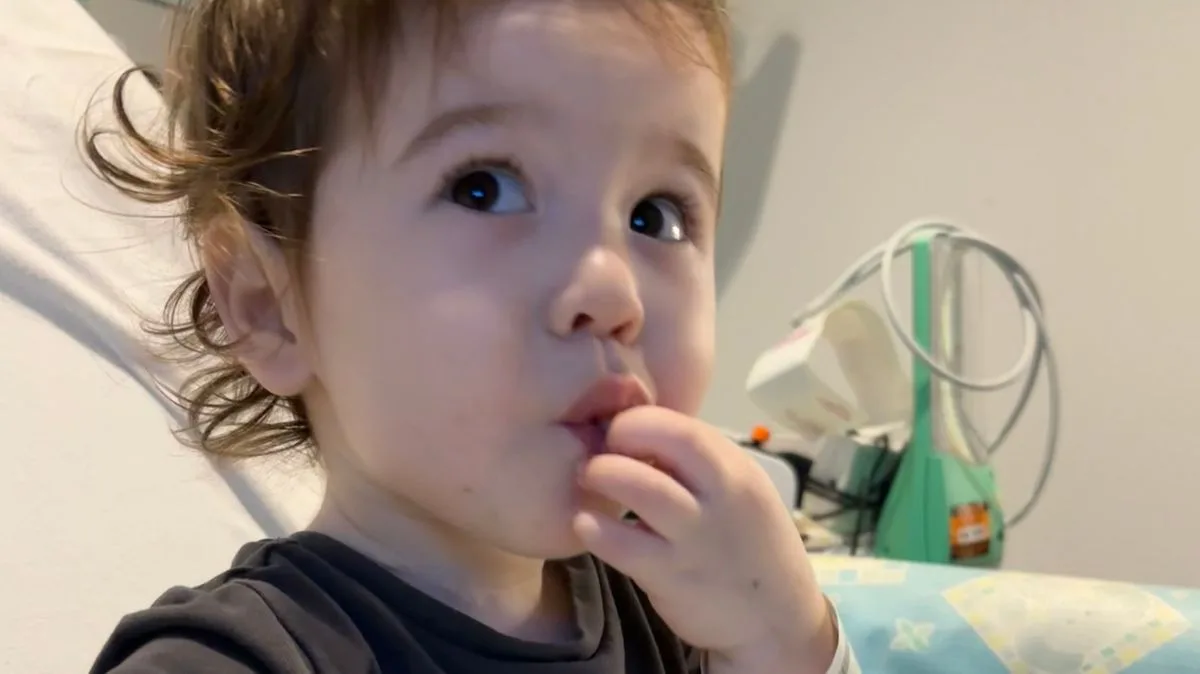
The procedure offers hope for families like that of two-year-old Casey McIntyre from London, who was born with 11cm of his oesophagus missing. His mother, Silviya Lukanova, said: 'He's had major operation after major operation... The idea that there could be one operation early in your child's life, that could transplant a working piece of oesophagus, and then we could move on would be life-changing.'
Professor Paolo De Coppi, consultant paediatric surgeon at Gosh, compared the advance to the use of pig heart valves over the last 50 years. He added: 'I believe we are now standing at a similar new frontier.' The team estimates that human trials could begin within five years, with different-sized scaffolds stored ready for personalised treatment.