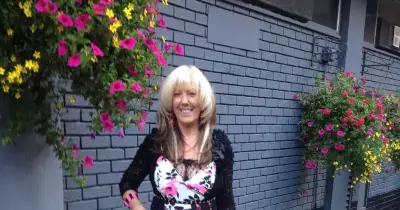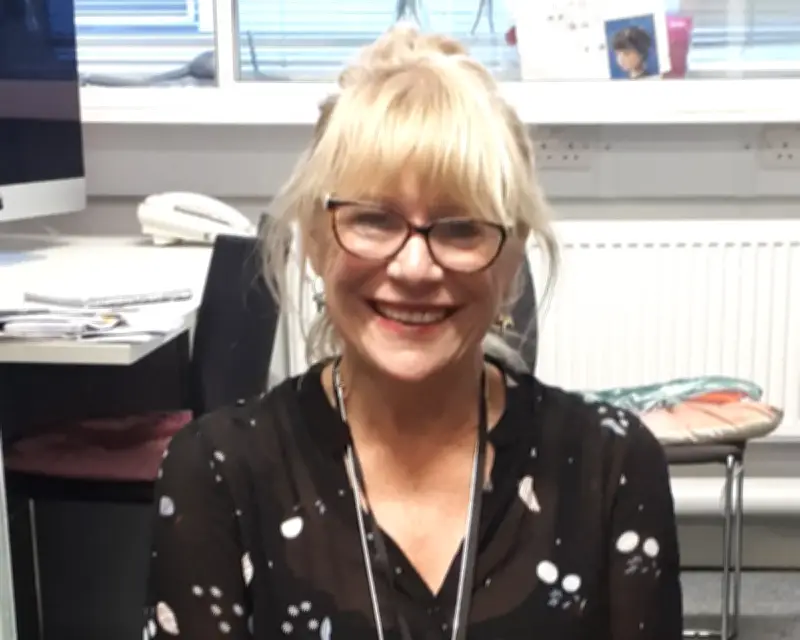
Jo Cambridge, a researcher whose work on rheumatoid arthritis challenged prevailing thinking and led to immunotherapies that have improved the lives of countless individuals globally, has died aged 73 of acute myeloid leukaemia.
Early life and education
Born in Perth, Australia, to Judith (nee Campbell), a homemaker, and Geoffrey Cambridge, a stockbroker, Jo excelled at her studies. After attending Presbyterian Ladies College in Perth, she went to the University of Western Australia, graduating with a BSc in 1974.
Science was always her passion, but alongside her studies she found time to win Miss Rugby 1973 and was a sought-after barmaid in the pubs and clubs of her native city. Soon after receiving her degree, Jo flew to London and secured research positions first at Hammersmith Hospital, then at University College London, where in 1984 she gained her PhD and worked for the rest of her life.

A 40-year partnership
I met Jo in 1986, when I joined the UCL laboratory where she carried out research, principally into arthritis, in a 40-year partnership with Jonathan Edwards, now emeritus professor of connective tissue medicine. They were like chalk and cheese, he the thinker, she the thought-provoking and expansive disruptor of dogma, but it worked.
Their groundbreaking hypothesis – that B-cell depletion, utilising therapeutic monoclonal antibodies, could fundamentally alter autoimmune disease – was seen as fantasy at best, and dangerous at worst. It was Jo’s scientific rigour, intellectual precision and relentless pursuit of evidence that pushed the team on to prove that they were right.
Wider research and legacy
I am proud to have been part of that team. Jo was with you every inch of the way. Her research was not restricted to arthritis – it ranged far and wide on conditions such as Duchenne muscular dystrophy, and when she died she was investigating the origins of myalgic encephalomyelitis (ME/CFS).
Jo became professor of rheumatology and inflammation in 2015. To her PhD students she was mentor, sometimes a mother, and to the rest of us, she was an irreplaceable and unique force of nature. In 1996, Jo married Nicholas Barker, a stockbroker; they divorced in 2007. She was a keen horsewoman, animal rights activist, lifelong vegetarian and owner of a tribe of cats that roamed her north London house.
Jo is survived by her son, Toby, and sister, Heather.