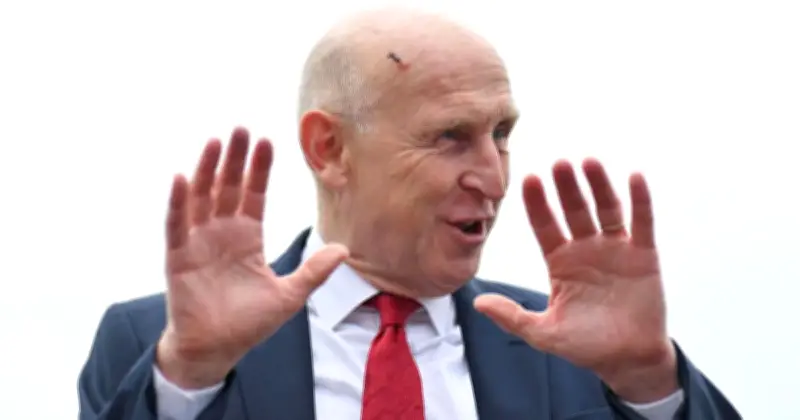
Chancellor John Healey has shelved plans for a defence spending uplift, weeks after resigning over the issue and helping to oust Sir Keir Starmer as prime minister. The move has drawn criticism from Shadow Chancellor Mel Stride.
U-turn over 3% GDP pledge
Mr Healey resigned as Defence Secretary on June 11, writing to Sir Keir: "I am certain that a headmark date for 3 per cent of GDP on defence in 2030 is what Britain must set." He added that without the pledge, "I am being forced to make decisions that would reduce the readiness of our forces and increase the risk to personnel on operations, and could make the country less safe".
Despite leading the coup over the "bad deal" Sir Keir was offering, Mr Healey has reportedly now pulled back from the defence spending plans. According to reports by the FT, decisions on any defence uplift will be delayed until a Treasury spending review next year, rather than being included in the upcoming Budget on October 28.

Reaction from Shadow Chancellor
The Tory MP wrote on X on Friday: "Healey resigned as Defence Secretary to make a stand about spending 3% of GDP on defence, and to remove Starmer as PM. Now he has shelved the defence spending target, and says that this is a 'continuity' government. You could have saved us all a lot of hassle, John."
Defence spending is set to reach 2.7% of GDP by 2030 on its current trajectory, but calls for an increase have become louder from both Labour and Tory MPs in recent months following worsening global tensions and demands from US President Donald Trump for European allies to spend more on defence.
Fiscal squeeze ahead of Budget
Mr Healey is facing a fiscal squeeze ahead of his inaugural Budget as official figures showed government borrowing unexpectedly rose to £1.8 billion last month. The Office for National Statistics (ONS) said government borrowing stood at £1.8 billion in July, £700 million or 68.7% higher than a year ago and confounding expectations.
Most economists had forecast zero borrowing last month while the independent fiscal forecaster, the Office for Budget Responsibility (OBR), had predicted a £500 million surplus. The borrowing hike came despite a record July for income tax receipts.
In the first four months of the financial year so far, borrowing was also more than the OBR forecast, at £56.7 billion, though this was £6 billion or 9.6% lower than a year earlier, thanks also to a £2.7 billion downward revision to data for the first three months. It has left total UK debt just shy of the £3 trillion key milestone, at £2.985 trillion, or 94.1% of gross domestic product (GDP).
Mr Healey said: "Fiscal discipline is the bedrock of our UK economic stability and national security, which is why we are committed to meeting our fiscal rules, with a buffer against global uncertainties." He added: "We are cutting the deficit faster than any other G7 economy while giving people a bit of breathing space with cost-of-living pressures and focusing support to get young people into work."