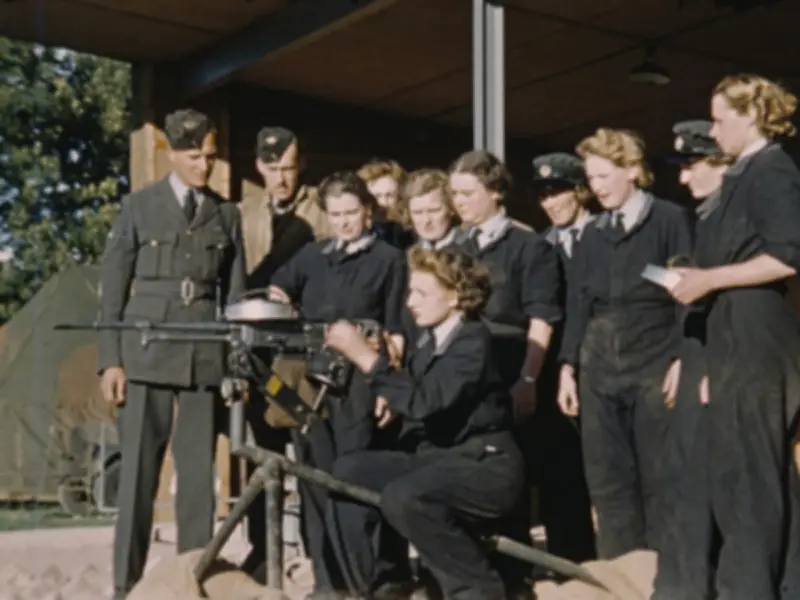
The Imperial War Museum (IWM) is undertaking a massive digitization project, transferring more than 5,000 miles of film and 4.6 million photographs to digital formats. This effort aims to preserve vital memories of the First and Second World Wars for posterity. The task involves viewing and cataloguing film and photographs from military, public broadcast, and private sources to safeguard a unique collection of real-world evidence about the impact of wars and conflict.
Extensive Footage Collection
The footage spans a wide spectrum, from the liberation of Nazi concentration camps, Spitfire pilots in action, and the aftermath of bombing raids on UK cities, to country fetes and street parties. It also includes rare footage of legendary comedian Peter Sellers entertaining troops in an RAF concert party.
Digital Futures Project
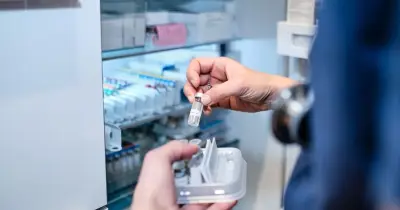
The multi-million-pound Digital Futures Project is led by a team of film and photographic digitisation specialists. They are collating a treasure trove of film stretching back to 1922. The team has been searching through original dented film cans, boxes of home movie film reels, and official archives. These materials have been rehoused in temperature-controlled vaults while experts work on transferring frames to digital format for future access.
Curator's Perspective
Ian Kikuchi, Imperial War Museum curator, says: “These films tell you the full story and often people risked their lives to record them, so we have an obligation to them and the public to see their work lives on.” The project is based at IWM Duxford in Cambridgeshire, a former RAF and US Air Force base, where technicians work intensively to preserve and transfer film reels and photographs that are often in danger of degrading.
Storage Conditions
The team stores film and photographs in specially-built units at a relative humidity of 30 and temperatures between 4C and 6C or minus 18C, depending on their stability. The images uncovered are extraordinary, including harrowing war scenes, propaganda, and social history shot on various cameras from 35mm to hand-held 8 or 16mm, recorded by soldiers on the front line and civilians on the home front.
Unseen Footage
Unseen footage includes comedian Peter Sellers entertaining British forces in Burma and touching clips of soldiers recording messages to their families—messages some would never deliver. Mr. Kikuchi continues: “Film gives you a strikingly vivid connection with the past. The content of the collection is incredibly varied. There’s everything from raw, unedited combat footage showing troops in action from Normandy to the jungles of Burma, to colour home movies of wartime summer fetes in small towns and villages, and from images of children at play to horrifying images from liberated concentration camps or freed prisoners of war.”
Personal Encounters
Mr. Kikuchi adds: “I met Harry Oakes, who was one of the first cameramen at Belsen concentration camp, and there is a profound sense that people like him carried cameras into hell so we could see what it was like. We have an immense debt to them and we can only repay that by preserving their work.”
Historic Record
Mr. Kikuchi further notes: “The collection is an outstanding historic record. As the wartime generation reach their 90th and 100th birthdays, the film and photographic record shows us the world they lived in as young people. We hope that digitising these films and photographs, and making them accessible for the public, will enable new understandings of the Second World War, and of the work people did and the sacrifices they made during the war years.”
Memorable Items
“A few pieces jumped out at me including one of a miniature railway in Kent that was equipped with armoured locomotives with machine guns during the invasion scare in summer 1940, while another shows British commando troops messing about using a canvas sheet to throw each other up in the air. An enterprising cameraman has climbed a tree and you get a view of a commando smiling as he is thrown in the air. Seeing these guys messing around, you can't help but smile. And yet you're also aware that less than a week later, on D-Day, these same men will be landing on Sword Beach in the face of heavy fire, to begin the liberation of Europe. The breadth and depth of the IWM collection is unique and gives unparalleled insights into Britain's Second World War, both at home and on the frontline.”
Funding and Future Plans
Digital Futures, which received a £1 million grant from the UKRI Arts and Humanities Research Council in 2025-26, began preserving 1.8 million at-risk items from the Cold War and improving storage for 6.8 million more five years ago. Dr. Tilly Blyth, IWM Executive Director of Collections and Curatorial, says: “The ultimate aim of Digital Futures is to increase public access to the rarely-seen footage and images held in IWM’s collection, and to ensure these official records and remarkable personal perspectives are preserved in posterity. Over the next ten years leading to the centenary of the start of the Second World War, these stories will become available through IWM’s online collections, keeping them alive for future generations.”
Skills Development
“The UKRI funding will support the development of vital skills in the sector, helping IWM to invest in traineeships that develop the skills of film care, conservation and digitisation, and the wider sector by creating a national resource for moving image conservation science. Digital Futures is a multi-million-pound, multi-year project, and IWM will be seeking further funding to protect and enhance IWM’s film and photographic heritage and contribute to an inclusive national story.”
Challenges in Digitization
The film and photographs have been retrieved from sources ranging from official archives to forgotten boxes rescued from house clearance sales. Digitisation Manager David Finch says: “The Digital Futures team has had to carefully unspool film shot on celluloid that is fragile and aging nitrate stock that could easily melt and catch fire if not stabilised in temperature-controlled conditions. The painstaking work has already saved miles of film and stacks of photographs that could have been lost. Digitising historic film is far more than simply placing a reel on a scanner. Every film element must first be individually assessed and prepared by specialist technicians, who examine its physical condition, identify signs of deterioration, and carry out any necessary repairs before scanning can begin. Many of the films we work with are decades old and each presents its own challenges.”
Scanning Process
“The scanning process itself requires highly specialised equipment and careful calibration to capture as much information as possible from the original film. Our aim is to create high-quality digital versions that improve access to IWM’s collection while remaining faithful to the original material. It is a meticulous process that combines technical expertise with a deep understanding of film as a historic object.”
The IWM is licensing the film and the Digital Futures collection, which grows by the week, and can be viewed at the IWM film collections website.