

The Puzzling Evolution of Human Anatomy
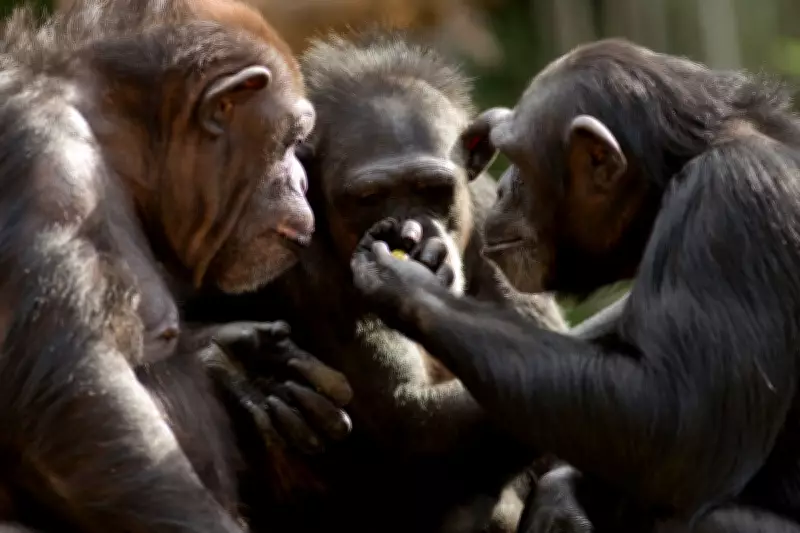
The human body, a complex machine assembled over four billion years of evolutionary history, continues to baffle scientists with its unique features. Among these, the human chin stands out as a particularly enigmatic structure, sparking debates among researchers about its purpose. Similarly, the variation in testicle size across primates, such as humans having testicles triple the size of a gorilla's but a fifth of a chimpanzee's relative to body weight, raises intriguing questions about evolutionary adaptations.
Understanding Evolutionary Pathways
Evolutionary biology traces how species develop from simple origins, with each component added incrementally to their genetic blueprint. By climbing the tree of life, we can follow the branching paths that define species groups. Humans, for instance, evolved from animals to vertebrates, then mammals, primates, and beyond. This progression reveals the order in which body parts appeared: a body and gut preceded a backbone and limbs, while milk and hair emerged before fingernails.
However, explaining why specific features evolved requires a different approach, one that relies on convergent evolution—the repeated evolution of traits on separate branches of the tree of life. This phenomenon, while sometimes confusing for classifying species, serves as a natural experiment to test evolutionary hypotheses.

Testicle Size and Mating Strategies
A classic example of convergent evolution is the variation in testicle size among primates. For instance, Abyssinian black and white colobus monkeys and bonnet macaques are similar in size but have vastly different testicles: colobus testicles weigh just 3 grams, while macaque testicles are a hefty 48 grams. This disparity can be linked to mating behaviors. Colobus monkeys live in harems with exclusive mating, allowing for minimal sperm production. In contrast, macaques engage in promiscuous mating within mixed troops, where larger testicles produce more sperm, increasing reproductive success.
Across mammals, convergent evolution shows a consistent pattern: larger testicles are associated with promiscuous species, while smaller ones are found in monogamous ones. Humans fall somewhere in the middle, hinting at a mixed mating history. Dolphins, with testicles making up to 4% of body weight, exemplify extreme promiscuity, as seen in mass mating events like wuzzles.
The Unique Mystery of the Human Chin
Unlike testicle size, the human chin presents a greater evolutionary puzzle. It is a feature found in no other mammal, not even our close relatives, the Neanderthals. Scientists have proposed various theories for its evolution: it might strengthen the jaw for combat, enhance the appearance of facial hair, or be a by-product of cooking and softer diets that reduced jaw strength. However, without convergent evolution—since the chin is unique to Homo sapiens—there is no reliable way to test these hypotheses.
This uniqueness leaves the chin's purpose shrouded in mystery, highlighting that some aspects of human nature may remain unexplained by evolutionary science. As research continues, the chin serves as a reminder of the complexities and unanswered questions in our evolutionary journey.






