

Groundbreaking Lab-Grown Oesophagus Developed by UK Scientists
In a landmark medical advancement, scientists have successfully created the first-ever lab-grown oesophagus, offering new hope for children born with severe defects in their food pipe. The pioneering research, conducted by teams at Great Ormond Street Hospital (GOSH) and University College London (UCL), represents a major leap toward regenerative treatments for life-threatening oesophageal conditions.
Casey's Story: A Personal Journey of Hope
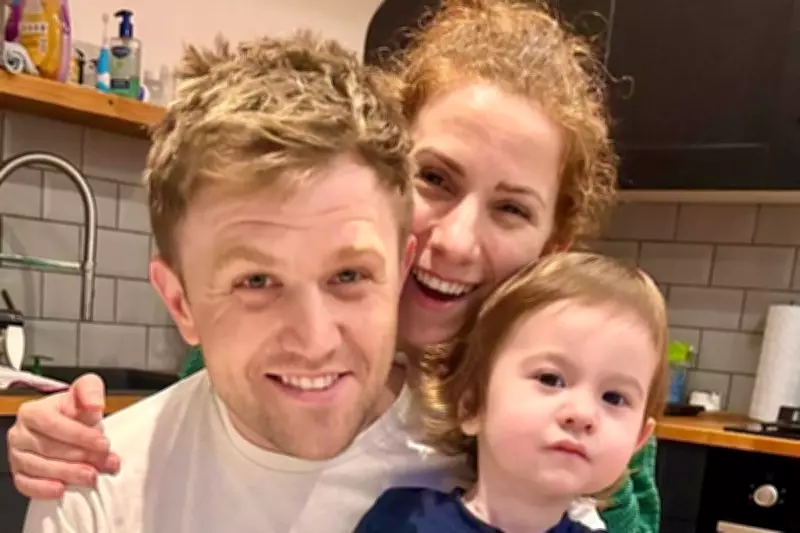
Two-year-old Casey Mcintyre from London was born with 11 centimetres of his oesophagus missing, a condition known as long-gap oesophageal atresia (LGOA). His parents, Sean and Silviya Mcintyre, have witnessed firsthand the challenges of current treatments. "The idea that there could be one operation early in your child's life that could transplant a working piece of oesophagus, and then we could move on, would be life-changing," Sean explained.
Silviya detailed their son's difficult medical journey: "We simply couldn't get the gap to close using his own tissue. After being referred to GOSH, we had the best option at the time – pulling up his stomach to close the gap – but it's been a long road. He still has a feeding tube while he develops his swallowing."

The repeated surgeries have left Casey with vocal cord damage, affecting his speech development. "Once he's eating enough through his mouth, we'll be able to take his tube out," Silviya added, highlighting the ongoing challenges faced by families dealing with oesophageal defects.
The Scale of the Problem
Casey represents one of approximately 180 babies born with oesophageal atresia (OA) annually in the United Kingdom. About ten percent of these children – roughly 18 each year – are born with long-gap oesophageal atresia, characterized by an interrupted oesophagus with a significant gap between upper and lower segments.
Children with LGOA cannot survive without invasive surgery and typically require feeding tubes. Current surgical options carry substantial side effects, including:
- Breathing difficulties
- Gastrointestinal problems
- Unknown long-term cancer risks
The Scientific Breakthrough
The research, published in the prestigious journal Nature Biotechnology, details how scientists utilized donor pig oesophagi – which closely resemble human tissue – to grow new food pipes through a two-month process.
The innovative procedure involves several critical steps:
- Creating a "scaffold" from a donor pig's oesophagus, which serves as a tube-shaped base after all pig cells are removed
- Multiplying muscle cells from the recipient pig in laboratory conditions
- Injecting these cells directly into the prepared scaffold
- Placing the structure in a specialized container that pumps growth fluids through the tissue for one week
Promising Results in Animal Trials
Initial trials have shown remarkable success. All eight pigs that received the lab-grown oesophageal transplants survived the critical first thirty days post-operation. After six months, five animals remained alive with the engineered scaffolds developing:
- Functional nerves
- Blood vessels
- Muscle tissue capable of contraction and movement
The treated animals demonstrated normal eating capabilities and maintained healthy growth rates throughout the study period.
Future Prospects and Clinical Applications
Researchers emphasize that the oesophagus represents a particularly complex organ that cannot always be successfully transplanted using conventional methods. However, scientists are optimistic about translating this breakthrough to human treatments within the next five years.
Dr. Natalie Durkin, paediatric surgical registrar at GOSH and lead author of the study, expressed confidence in the research trajectory: "After successful implantation, our grafts grew, matured and began to function like native tissue. Each one of these steps represents a key milestone in being able to deliver this as a viable treatment option for children in the near future."

This revolutionary approach to regenerative medicine could fundamentally transform treatment paradigms for children born with severe oesophageal defects, potentially replacing multiple invasive surgeries with a single, life-changing procedure that restores normal swallowing function and improves long-term quality of life.





