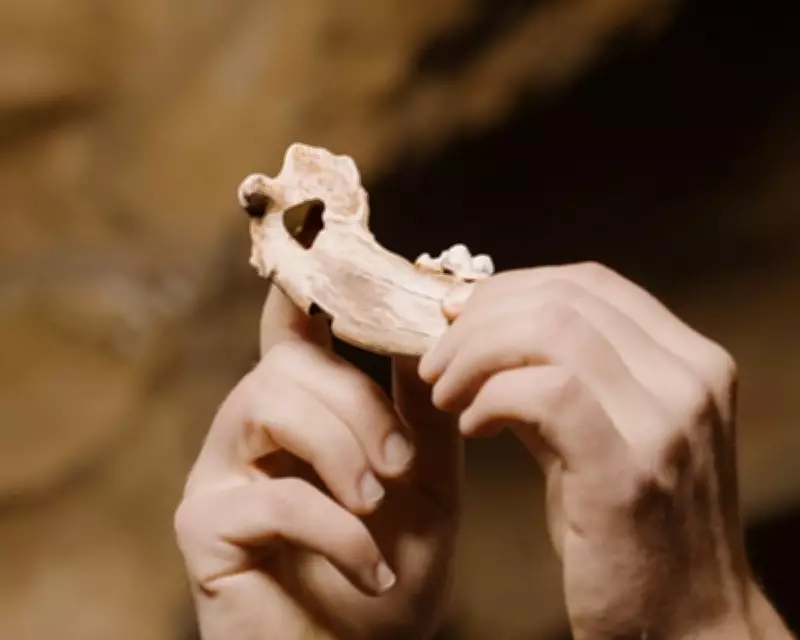
A new scientific study has uncovered compelling evidence that the profound bond between dogs and humans dates back an astonishing 15,000 years. This research, which combines archaeological findings with advanced genetic analysis, provides fresh insights into the early domestication of dogs and their integration into human societies.
Key Findings from the Research
The study, conducted by an international team of researchers, examined ancient dog remains and human artifacts from various sites across Europe and Asia. By analyzing DNA samples and comparing them with historical records, the scientists were able to trace the timeline of dog domestication to around 15,000 years ago. This period coincides with significant shifts in human lifestyle, including the transition from nomadic hunting to more settled agricultural communities.
Genetic and Archaeological Evidence
Genetic markers from the ancient dog bones show distinct changes that align with human interaction, suggesting selective breeding for traits like tameness and cooperation. Archaeological sites have yielded tools and burial sites where dogs were interred alongside humans, indicating a ceremonial or emotional connection. These findings challenge previous theories that placed dog domestication later, around 10,000 years ago, and highlight the complexity of early human-animal relationships.

Implications for Understanding Human History
This discovery sheds light on how dogs may have influenced human evolution and societal development. For instance, dogs could have assisted in hunting, provided protection, and even offered companionship, which might have contributed to human survival and community bonding. The study suggests that the bond was mutual, with humans also adapting their behaviors to accommodate these early canine companions.
Broader Context and Future Research
Researchers emphasize that this study is part of a growing body of work exploring the deep history of human-animal interactions. Future investigations aim to delve into specific regions and time periods to better understand the variations in dog domestication across different cultures. Additionally, there is interest in studying how this ancient bond has evolved into the modern relationships we see today, with dogs often considered family members.
Overall, this research not only rewrites the timeline of dog domestication but also enriches our appreciation of the enduring connection between humans and their loyal canine friends. As scientists continue to uncover more evidence, we may gain even deeper insights into this remarkable partnership that has spanned millennia.