Chimpanzees Would Fail Breathalyser Tests Due to Alcoholic Fruit Intake, Study Finds
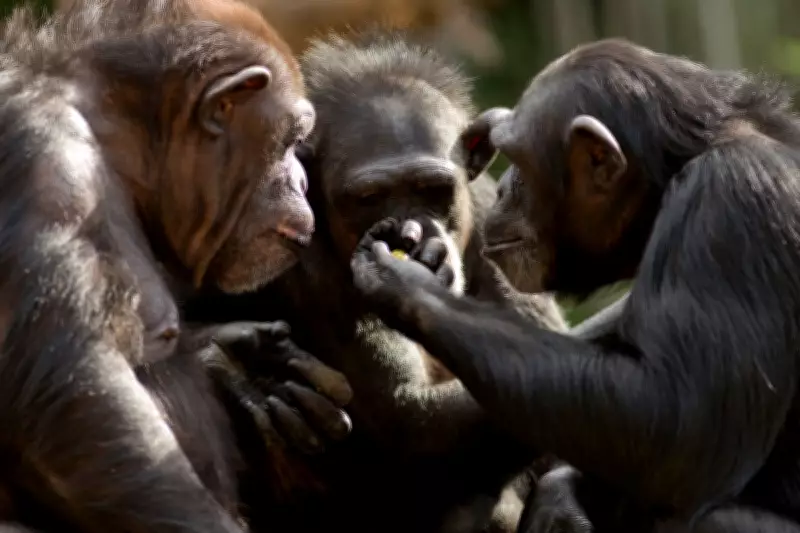
A groundbreaking study has revealed that chimpanzees in the wild consume enough alcohol from fermenting fruits to be comparable to human light drinking, potentially causing them to fail breathalyser tests. Researchers, including UC Berkeley PhD student Aleksey Maro, employed innovative urine sampling techniques in Uganda's Kibale National Park to detect ethyl glucuronide, a metabolic byproduct of alcohol, in chimpanzee urine.
Key Findings from the Research
The presence of ethyl glucuronide was confirmed in 17 out of 20 urine samples collected from the chimpanzees, indicating significant ethanol ingestion. This alcohol byproduct is a reliable marker of recent alcohol consumption, similar to methods used in human forensic testing.
Levels of ethyl glucuronide in the chimpanzee urine were found to be strikingly similar to those observed in humans after consuming one to two standard drinks within a 24-hour period. This suggests that chimpanzees regularly ingest ethanol as part of their natural diet, primarily from overripe or fermenting fruits that contain naturally occurring alcohol.

Implications for Evolutionary Science
This research provides strong support for the 'drunken monkey hypothesis,' which posits that humans, as descendants of fruit-eating apes, may have evolved a genetic predisposition to seek out and metabolise alcohol. The study highlights how this behaviour could have offered evolutionary advantages, such as accessing high-energy food sources in the wild.
By demonstrating that chimpanzees actively consume alcohol in quantities mirroring human light drinking, the findings offer new insights into the shared biological and behavioural traits between humans and our closest primate relatives. This could help explain the widespread human affinity for alcohol across cultures and historical periods.
Further research is needed to explore the long-term effects of alcohol consumption on chimpanzee health and social behaviours, as well as to compare these findings with other primate species. The study underscores the importance of understanding natural alcohol intake in evolutionary contexts.