AI Skincare Advice on the Rise Amid Cost Barriers
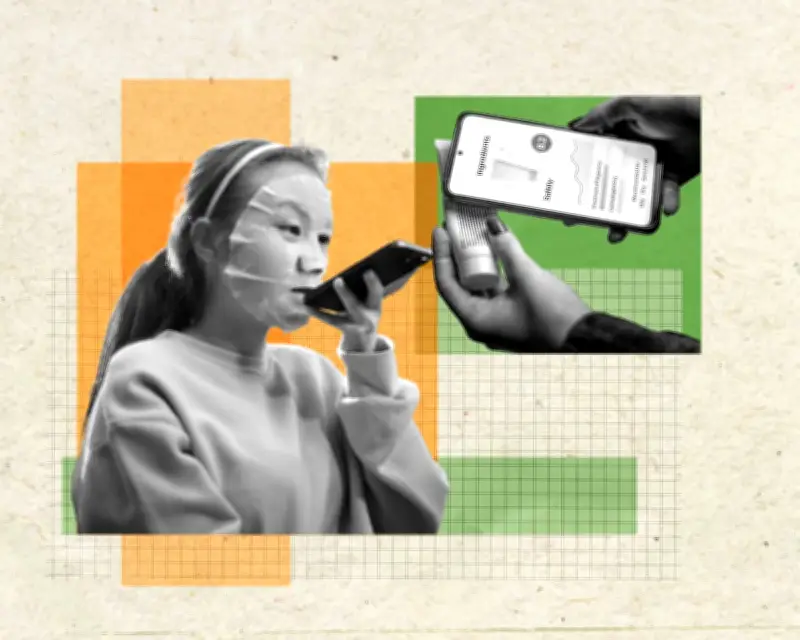
With dermatologist appointments costing around $230 out of pocket in Australia, many people are turning to AI chatbots for skincare advice. Apps promise to identify rashes and offer personalized routines, while users share before-and-after photos on Reddit. However, experts caution that this trend carries significant risks.
Chatbots Lack Medical Understanding
Dr Michelle Wong, a cosmetic chemist and science educator behind Lab Muffin Beauty Science, warns that AI chatbots often provide flawed advice. She cites sci-fi writer Ted Chiang, who described ChatGPT's output as "a blurry Jpeg of all the text on the web." Wong notes that chatbots may pull information from user forums or blogs rather than reliable dermatology sources. In the past six months, she has seen cases where chatbots recommended using multiple products with the same active ingredient, like vitamin A, or suggested applying products in the wrong order, such as cleanser after serum. Some chatbots even advised using nonexistent products or ones that contained allergenic ingredients despite claims otherwise. "They're very confident liars," Wong says. "Try to remember it doesn't have a brain." She points to research where an image-classification AI mistakenly identified rulers as a marker of skin cancer because training data showed rulers next to malignant lesions.
Dermatologists Report Harm from AI Advice
Dr Anita Lasocki, a dermatologist at South Road Dermatology in Melbourne, has treated patients who developed skin problems from AI-suggested treatments. "Most commonly I see irritant contact dermatitis or a flare-up of rosacea, where patients have layered too many steps or active ingredients into their skincare routine," she says. Patients often spend significant time and money on products that were never indicated for their actual problem. Associate Prof Deshan Sebaratnam, a dermatologist at the Skin Hospital in Sydney, emphasizes that there are over 3,000 skin conditions in dermatology, and AI is not good at separating them. For example, a dry scaly rash could be eczema, psoriasis, ringworm, scabies, lupus, or cutaneous lymphoma, each requiring different treatments. Chatbots cannot perform skin swabs, scrapings, or biopsies needed for accurate diagnosis.

AI Bias and Access Issues
Sebaratnam highlights that most medical images used for teaching are of white-skinned people, so AI is poorly equipped to diagnose skin conditions in people of color. The high cost and long wait times for dermatologists—both public and private—drive people to AI. "There is a worldwide shortage of dermatologists to meet the burden of skin disease, but this is particularly true in Australia," he says.
Simple Skincare Routines Recommended
For basic skincare, Lasocki advises simplicity. In the morning, a cleanser may not be necessary; a light moisturizer and SPF 50+ sunscreen are key. In the evening, a gentle, fragrance-free cleanser and moisturizer suffice. For those with an intact skin barrier, an over-the-counter or prescription retinol can be added slowly. Wong suggests applying products from thinnest to thickest: serums before moisturizers, sunscreen last. "The instructions on the packaging—that's always going to override what [a chatbot] tells you," she says. Sebaratnam concludes: "People could use AI to brainstorm problems, but at the end of day don't put your trust in it. No one understands your skin like a dermatologist."