A pioneering drug designed to reduce brain inflammation could potentially slow the progression of Parkinson's disease, according to experts. The pill, known as SNT-4728, was tested among patients with a sleep condition called isolated REM sleep behaviour disorder (iRBD). Around 70% of people with iRBD will develop Parkinson's or a related neurodegenerative condition within 15 years.
How the Drug Works
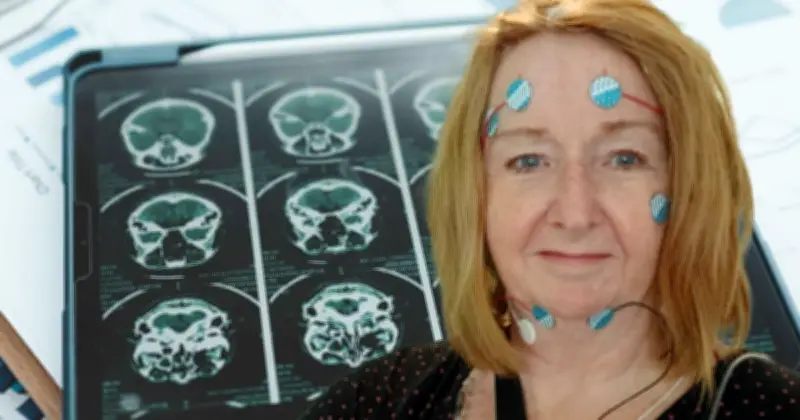
The disorder occurs when the normal muscle paralysis during sleep is lost, causing people to physically or vocally act out their dreams. Severe symptoms can include punching or kicking out during sleep and falling out of bed. In the study, brain scans showed that people taking the drug had signs of reduced inflammation in an area of the brain linked to movement symptoms of Parkinson's.
Scientists believe such inflammation may contribute to the damage and death of dopamine-producing nerve cells in the disease. Researchers are also investigating whether inflammation begins years earlier in people with iRBD, making it a potential target for treatments that could delay or prevent disease progression.

Clinical Trial Details
SNT-4728 is designed to dampen harmful inflammation in the brain without broadly suppressing the immune system, according to manufacturer Syntara. The Australian drug development company recruited 41 patients in the UK and Australia for a phase 2 clinical trial. Three quarters were given a daily dose of SNT-4728 while the rest took a placebo, for three months.
Twenty out of 30 patients receiving the drug showed a reduction in brain inflammation in the putamen. This region of the brain controls movement and motor skills, including symptoms linked to Parkinson's such as slowness of movement, stiffness and tremor. Current Parkinson's medications can help manage such symptoms, but none has been proven to slow or stop the underlying disease.
Professor Simon Lewis, director of the Parkinson's Disease Research Clinic at Australia's Macquarie University, said: "To demonstrate statistically significant reductions in a short period of time is notable and suggests the drug may be modulating disease-relevant neuroinflammatory pathways."
Expert Reactions
Dr Lynsey Bilsland, managing director of Parkinson's UK's global drug development programme, which funded the research, said the early findings were "encouraging". She added: "By targeting Parkinson's symptoms before they appear, we can potentially slow, or even stop, the condition in its tracks. We look forward to reviewing the remaining results in the coming months."
"These findings pave the way for further trials that could result in a drug that can slow or stop Parkinson's symptoms progressing, something no drug can currently do," Dr Bilsland said.
Around 166,000 people are living with Parkinson's in the UK, making it one of the most common neurodegenerative conditions. The trial was designed to measure changes in brain inflammation rather than whether the drug prevents Parkinson's. Longer studies will be needed to show whether reducing inflammation translates into slower disease progression. Full results from the study will be published later this year.
Patient Experience
Marisa O'Connor, 65, joined the trial after being diagnosed with iRBD in late 2017. She said: "I had started sort of talking in my sleep. My husband and I just thought it was quite funny. Then he had a knee operation, and one night when he was asleep, I kicked him in the knee that had been operated on, so it suddenly went from funny to being quite serious."
Marisa's symptoms include leg movements such as running on the spot and shouting out during vivid dreams, which she does not always remember. She added: "It can be quite rude. I can tell people in my dream to 'F*** off', which isn't something I would do normally! I've heard that's actually quite common for RBD."
After her diagnosis, Marisa joined a Parkinson's research group for patients. The mum-of-two, of Coventry, was invited to join the trial of SNT-4728 and took her first dose in January. She took one tablet every morning for three months. She kept a diary of her symptoms, as well as attending brain scans, a lumbar puncture and other tests over six months.

Marisa does not know if she was taking the drug or placebo but hopes to find out in the future. She noticed a small improvement in her balance, which has got worse again since she stopped taking the doses. Her scores in visual and memory tests also improved. Taking part in this type of research is a "win-win", Marisa added. She said: "I think it's a great way to kind of help the whole community develop their knowledge about the disease and what to do about it. It's a bit of a win-win situation. You're helping the RBD and the Parkinson's community, but at the same time they're keeping an eye on you, so if they spot something early on, then you can be referred to your GP."