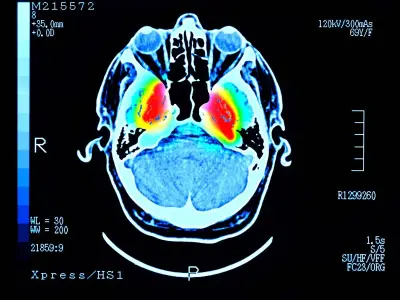
Visceral fat, commonly known as belly fat, has been linked to the irregular brain proteins associated with Alzheimer's disease, with the connection potentially emerging up to two decades before symptoms appear.
Researchers at Washington University School of Medicine examined 80 cognitively healthy adults with an average age of 49. Of the group, 58 per cent were classified as obese, with an average BMI of 32.31, compared with a healthy BMI range of 18.5 to 24.9.
Protein Build-Up Tracked by Imaging
Using brain positron emission tomography (PET) scans, the scientists tracked the build-up of amyloid and tau proteins, which are known markers of Alzheimer's. MRI scans revealed a connection between high levels of visceral fat and the accumulation of these proteins.
The study found that 77 per cent of the impact that a high BMI has on protein build-up could be attributed to visceral fat, while other types of fat showed no similar correlation.
Additional Risk Factors Identified
Visceral fat is found surrounding organs including the stomach, liver, and intestines. Although it is sometimes called "invisible" or "hidden" fat, signs such as waist size, waist-to-hip measurements, and body shape can reveal excess amounts.
The research also flagged higher insulin resistance and reduced levels of "good" cholesterol (HDL) as additional factors contributing to increased brain protein accumulation.
Lead study author Dr Mahsa Dolatshahi said: "Higher visceral fat was associated with higher PET levels of the two hallmark pathologic proteins of Alzheimer's disease-amyloid and tau."