Archaeology of Smell: Museums Unveil 'Time Machine for the Nose'
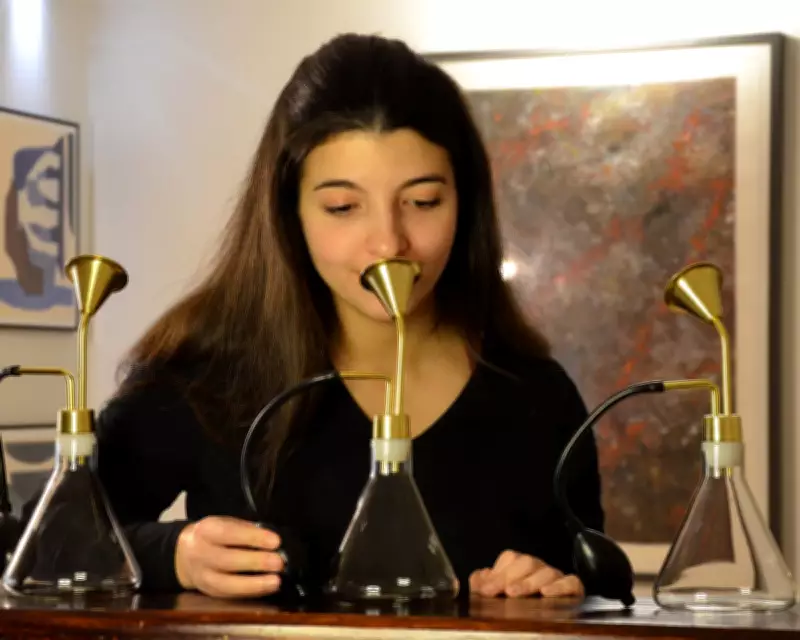
In a groundbreaking development, museums worldwide are embracing the emerging field of 'archaeology of smell,' deploying cutting-edge technology to recreate historical scents. This innovative approach, often dubbed a 'time machine for the nose,' aims to provide visitors with a multisensory experience, allowing them to smell the past in ways never before possible.
Reviving Lost Aromas Through Science
Researchers are utilizing advanced chemical analysis and digital reconstruction techniques to identify and reproduce scents from bygone eras. By examining ancient artifacts, textiles, and residues, scientists can pinpoint the molecular signatures of historical smells, from the perfumes of ancient Egypt to the industrial odours of the Victorian age.
This sensory archaeology not only enriches museum exhibits but also offers new insights into daily life, trade, and cultural practices throughout history. For instance, the scent of spices in a medieval market or the smell of a 19th-century factory can evoke powerful emotional connections, making history more tangible and immersive.

Challenges and Ethical Considerations
Despite the excitement, the archaeology of smell faces significant hurdles. Preserving and accurately replicating scents requires meticulous research and often involves ethical debates about authenticity and representation. Museums must navigate questions about which smells to recreate and how to present them without overwhelming or misleading visitors.
- Technical limitations in scent preservation
- Balancing historical accuracy with visitor experience
- Addressing potential sensitivities to certain odours
Moreover, there are concerns about the commercialization of historical scents and the risk of reducing complex cultural narratives to mere sensory gimmicks.
Future Prospects and Global Impact
As technology advances, the potential applications of smell archaeology are expanding. Museums are exploring collaborations with perfumers, historians, and tech companies to develop more sophisticated scent-recreation tools. This could lead to virtual reality experiences that incorporate smell, further blurring the lines between past and present.
The integration of smell into museum displays represents a shift towards more inclusive and engaging storytelling, appealing to a broader audience and enhancing educational outcomes. By engaging the sense of smell, often overlooked in historical interpretation, institutions are opening new avenues for public engagement and academic research.
In conclusion, the archaeology of smell is poised to transform how we experience and understand history, turning museums into dynamic spaces where the past can be smelled as well as seen. As this field evolves, it promises to deepen our connection to heritage and inspire future innovations in cultural preservation.