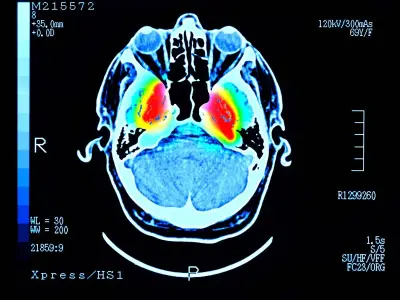
A new Alzheimer's treatment has shown a 54% reduction in memory and thinking decline in a major clinical trial, with UK recruitment for the next phase expected to start in the spring.
The drug, diranersen, was given as low-dose injections to patients over almost two years, according to the Telegraph. The results were presented at the Clinical Trials on Alzheimer's Disease conference in Boston.
How the treatment works
Alzheimer's disease occurs when two proteins, amyloid and tau, build up abnormally in the brain. The treatment targets tau, using gene-silencing technology to block the RNA messages that tell brain cells to produce the protein.
Dr Richard Oakley, associate director for research and innovation at Alzheimer's Society, described the findings as "very encouraging". He said the drug works "a bit like a gene 'off-switch', reducing the amount of tau the brain produces rather than trying to clear it once it has already built up". The treatment is given via lumbar puncture into the fluid around the spinal cord.
Next steps
Oakley said that if the findings are confirmed in the upcoming phase three trial, "a significant new treatment option for early Alzheimer's disease could be within touching distance". He added that research "will beat dementia" and emphasised the importance of early and accurate diagnosis so people can benefit from emerging treatments.
British patients are asking to join the next trial, with UK recruitment expected to start in the spring.