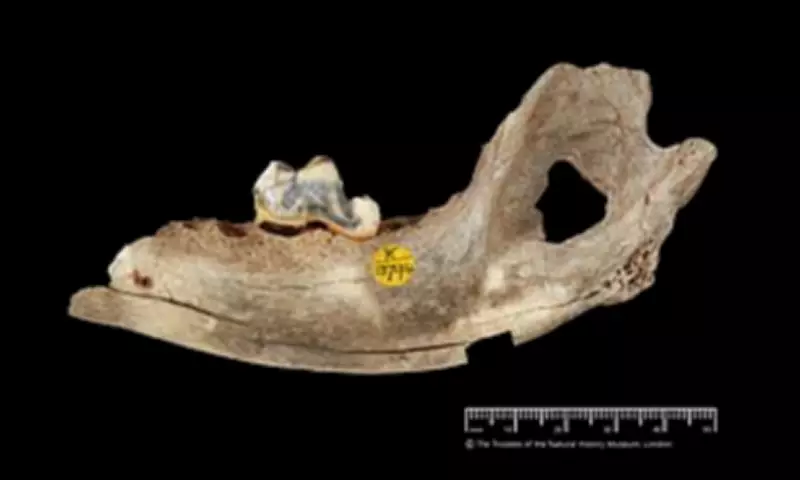
Ancient Dog Jaw Bone in Somerset Reveals 14,300-Year-Old Canine-Human Bond
Man's best friend has been a loyal companion in Britain for over 14,300 years, according to a groundbreaking new study that pushes back the timeline of dog domestication in the UK by thousands of years. Researchers have uncovered compelling evidence that Ice Age hunters formed deep bonds with domesticated dogs, treating them as valued members of their communities.
Revolutionary Discovery in Gough's Cave
Experts from seventeen institutions worldwide have analyzed archaeological specimens older than 10,000 years, with particular focus on a jaw bone discovered in Gough's Cave in Somerset. Through sophisticated DNA analysis published in the journal Nature, researchers determined this fossil belonged to a dog rather than a wolf, dating it to 14,300 years ago during the Late Upper Palaeolithic period.
This represents the earliest direct evidence of dog domestication in Britain, surpassing previous estimates by more than 5,000 years. The discovery provides unprecedented insight into the origins of the human-dog relationship, demonstrating just how deeply this bond extends into our prehistoric past.

DNA Analysis Confirms Ancient Companionship
Researchers compared the ancient DNA with more than 1,000 modern and ancient dogs and wolves from across the globe. The results conclusively identified the Somerset remains as belonging to domesticated dogs who lived alongside Ice Age hunters at the northern edge of the inhabited world.
Dr William Marsh, co-lead author from the Natural History Museum, explained the significance: "These dogs were nothing like our modern day Chihuahua, but the close relationship we have with our dogs today almost certainly extended back 15,000 years ago."
The first clue came from the unusually small size of the Gough's Cave bones, particularly striking when compared with the exceptionally large wolves of that era. DNA confirmation has now solidified this interpretation, revealing these animals were ancient domestic dogs who shared lives with human hunter-gatherers.
Symbolic Significance and Shared Lives
Remarkably, some bones show deliberate human modification, suggesting these dogs held symbolic significance after death as well as providing companionship during life. The research team discovered that these dogs and humans were eating similar diets and appeared to have been treated in comparable ways after death.
Dr Lachie Scarsbrook, co-first author from LMU Munich, noted: "This suggests that by 15,000 years ago, hunter-gatherers were already treating their dogs like people, which really highlights just how long they've held their place as 'man's best friend'."
The dogs would have closely resembled wolves rather than modern breeds, lacking features like curly fur or floppy ears. Despite their wolf-like appearance, they occupied a special place in human communities during a time when humans were nomadic hunter-gatherers roaming landscapes to find food and shelter.
Valuable Roles in Hunter-Gatherer Societies
While researchers can only speculate about specific roles, evidence suggests these early dogs provided substantial value to their human companions. The high cost of feeding such animals indicates they must have served important functions—possibly as guards, hunting assistants, or early warning systems against predators and other human groups.
Dr Marsh emphasized: "The cost of feeding these dogs would have been high, so the fact they persisted alongside humans means they were likely of great importance—whether that be as guards, hunting animals, or like today, as companions."
The rapid spread of dogs among different hunter-gatherer groups across Europe suggests they represented a significant technological and social advancement. Dogs from Gough's Cave lived alongside humans from the Magdalenian culture who hunted large terrestrial prey in cold Northern European environments, while dogs from Pınarbaşı in Turkey accompanied Anatolian Hunter-Gatherers who utilized a broader range of prey including fish, small mammals, and birds.

Genetic Connections to Modern Breeds
The new DNA data reveals these ancient dogs were more closely related to ancestors of present-day European and Middle Eastern breeds—such as boxers and salukis—than to Arctic breeds like Siberian huskies. This indicates that today's major dog genetic lineages were already established by the Upper Palaeolithic period.
Professor Greger Larson from the University of Oxford expressed surprise at the findings: "By comparing the DNA from these ancient dogs with other ancient and modern populations, we were surprised to see just how closely related the earliest dogs were despite living more than 4,000km apart. This suggests that the first dogs were a game changer and spread rapidly across Europe."
The research fundamentally rewrites our understanding of when and how dogs became integrated into human societies in Britain, demonstrating that the special bond between humans and canines has ancient roots stretching back to the very edge of the last Ice Age.