
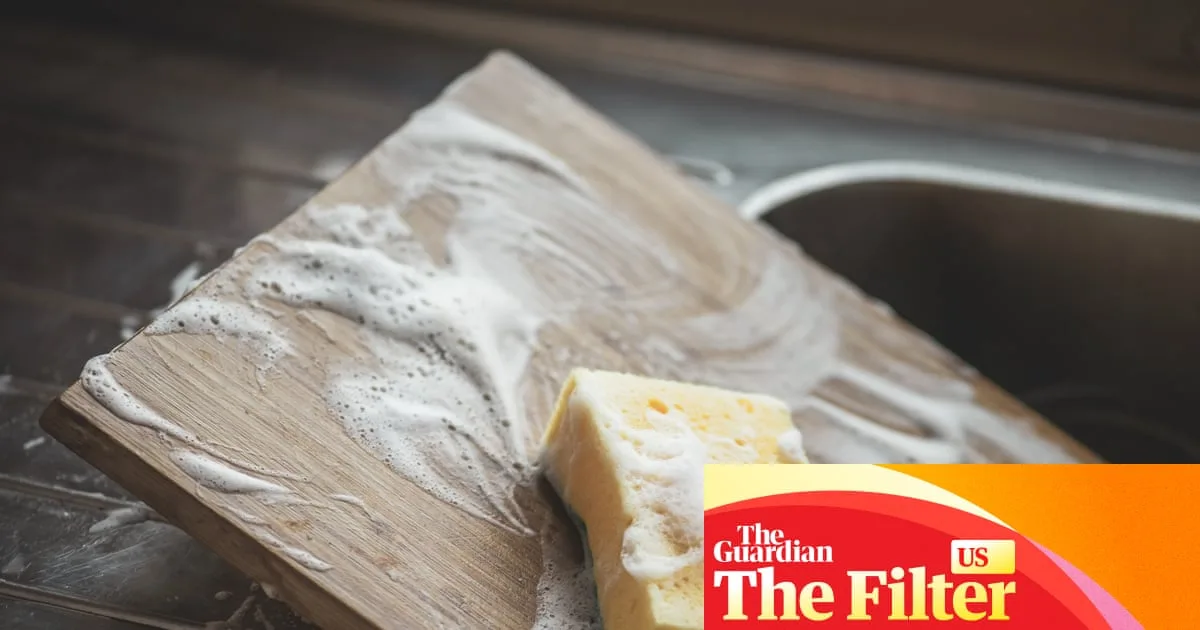
Cutting boards are among the germiest items in the kitchen, according to microbiologists, who rank them alongside kitchen sponges and water bottles as potentially dirtier than a toilet seat. While this is no cause for panic, proper cleaning is essential to avoid harmful bacteria such as salmonella and E. coli.
Dr Keith R Schneider, a food safety professor at the University of Florida, advises that washing with soap and water remains an effective method for most situations. For hand-washing, standard dish soap and warm water are sufficient, as antibacterial soaps offer no significant advantage. After rinsing, dry the board thoroughly with a cloth or paper towels and store it upright to ensure airflow, preventing bacterial growth.
For cutting boards used with raw meat, sanitisation is recommended. Dishwasher-safe boards can be sanitised in a cycle, while hand-sanitising requires a bleach solution: one tablespoon of unscented household bleach diluted in a quart of water, applied for five to ten minutes, then rinsed and air-dried. Wooden boards are not dishwasher-safe and must be hand-washed.
Signs that a cutting board needs replacing include deep grooves, severe warping, cracks, or lingering odours. Dr Schneider warns that bacteria are invisible, so heavily damaged boards should be discarded. Regular oiling with food-grade mineral oil can extend the life of wooden boards.




