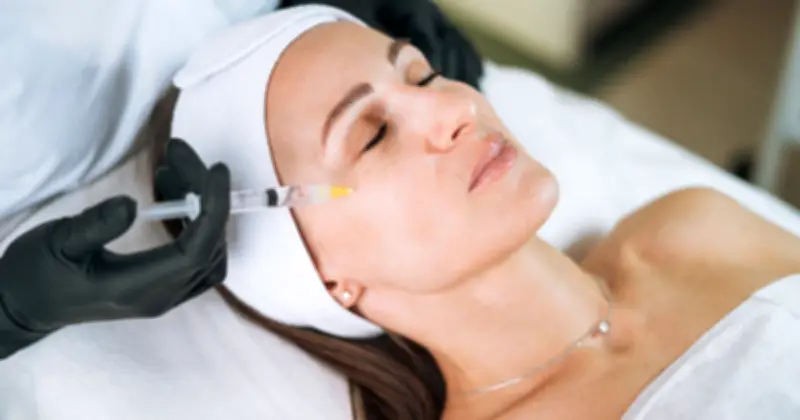
Half of women would consider an invasive aesthetic treatment despite not fully understanding what it involves, new research suggests — with many failing to do basic checks on who will carry it out. A poll of 2,000 women found just 35% would research a treatment online before booking. Even fewer said they would ask about a practitioner’s training (12%) or check independent reviews (25%).
Research habits compared
The data shows only 38% would spend more than 10 minutes researching an aesthetic treatment. In comparison, 76% would spend more than 10 minutes looking into a hotel before booking, compared with 67% for flights and 58% for a restaurant.
National data cited by Laser Clinics UK, which commissioned the research, suggests training for cosmetic injections averages 16 to 40 hours (around two to five days), compared with a reported one to two weeks for typical barista training.

Practitioner vetting concerns
Doctor Jemma Gewargis, medical inject lead at Laser Clinics UK, said: "Practitioner vetting is incredibly important in aesthetics, especially as there is still a significant variation in training and qualification standards across the UK.
"While consumer awareness has improved, I still see many who don’t fully understand their practitioner’s professional background, qualifications or level of training, or even know what they should be looking for when choosing an injector."
Laser Clinics UK said it uses its own internal standards and only hires highly qualified, insured and medically registered doctors, dentists and prescribing nurses.
Calls for clearer standards
Just 18% said they were confident they knew what qualifications or training an aesthetic practitioner should have before carrying out injectable treatments, and 41% said they were aware the industry is not strictly regulated in the UK. In response, 92% said there should be clearer minimum training standards for people carrying out invasive treatments.
However, the research suggests some checks are becoming more common: 49% said they would look for clinic registration or accreditation, and 37% would search for a practitioner’s qualifications.
Concerns around safety remain a major barrier. More than half (53%) said fear of something going wrong would put them off having a procedure, while 49% cited safety worries. Lack of regulation was another factor (41%), alongside not knowing whether a practitioner was qualified (36%), according to the OnePoll research.
Doctor Jemma Gewargis added: "We take this very seriously and have a strict, multi-stage recruitment process in place to ensure high standards across all our clinics and prioritise public safety.
"Every candidate is initially screened for suitability and must complete a detailed skills assessment before a clinical interview with myself to assess their experience, knowledge and suitability for the role.
"We also work closely with key UK organisations, like Save Face, that are driving standards in the aesthetics industry.
"This ultimately involves clearer, more consistent regulation, recognised minimum training standards and improved public awareness, leading to a better understanding of safety within the industry."