
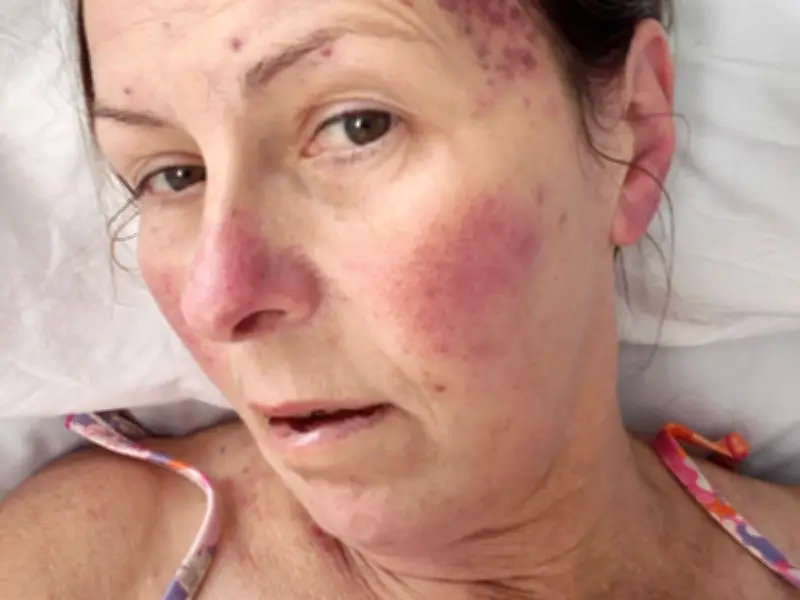
Sharron Clarke, 54, a fit and active bed factory worker from Cumbria, dismissed her fatigue and night sweats as symptoms of the menopause. But hours after a hiking trip, she was fighting for her life in hospital with a diagnosis of acute myeloid leukaemia (AML), an aggressive blood cancer.
From Hiking to Emergency
On July 26, 2025, Sharron climbed Catbells mountain in Cumbria with friends. Feeling mostly healthy, she had no idea that within hours she would be rushed to hospital with severe chest pain. Paramedics initially suspected a heart attack, but tests revealed the pain was caused by leukaemia-related bone pain.
She was blue-lighted to hospital and later transferred to Newcastle's Freeman Hospital, where she began intensive chemotherapy, including a course of doxorubicin, known as the 'red devil'.
Diagnosis and Treatment
By the end of the same day, Sharron was diagnosed with AML. She underwent intensive treatment that left her seriously ill, including bleeding behind her eyes due to low platelets, which caused lasting vision damage. Despite this, she went into remission by September 2025 and continues on maintenance treatments until 2027.
Sharron said: 'I was completely fine that morning. I'd been up at half three with friends, climbing Catbells for sunrise. I felt mostly healthy, active - nothing about me said 'seriously ill'. I'd never been ill in my life apart from the odd cold. So when I started feeling tired and a bit sweaty, I just thought it was my age. I didn't go to the doctor. I just assumed it was menopause. It could have gone very differently. I know how lucky I am.'
Recovery and Awareness
Sharron has returned to work on reduced hours and is rebuilding her fitness, including completing a 5km run with breaks. She found motivation in the phrase 'be a warrior, not a worrier', said by a nurse. She added: 'There's no point worrying about things that haven't happened yet. You just have to stay strong and take each day as it comes.'
Colin Dyer, chief executive of Leukaemia Care, said: 'Sharron's story perfectly illustrates why our Spot Leukaemia campaign matters. She was a fit, active woman who thought her symptoms were simply part of the menopause. Within hours of climbing a mountain, she was being told she had an aggressive form of blood cancer. Leukaemia doesn't discriminate, and its symptoms are often easy to dismiss. That's why raising awareness is so vital. The sooner people recognise the signs and seek help, the sooner they can receive potentially life-saving treatment.'




