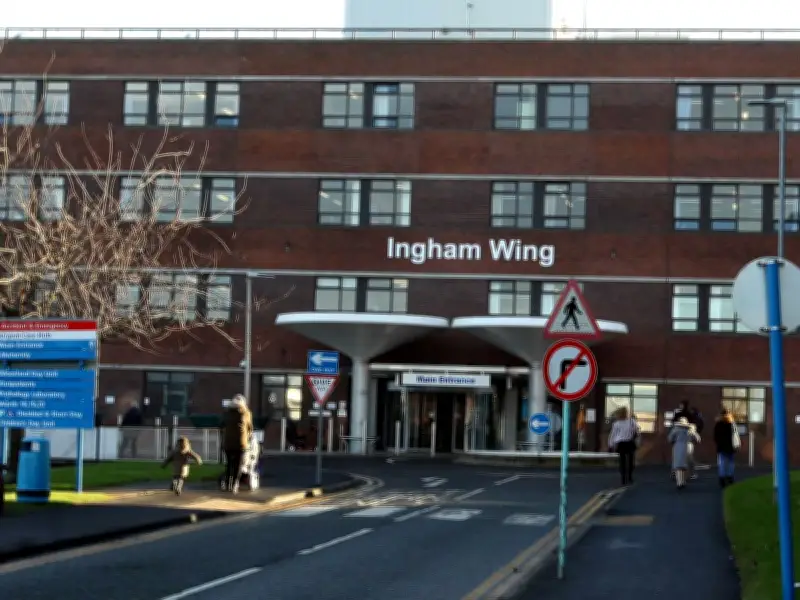
Theresa Lydon, 54, died during surgery at South Tyneside District General Hospital on September 18, 2022, after a series of failings in her treatment for ulcerative colitis. An inquest heard she was diagnosed with the bowel condition in May 2021 and prescribed balsalazide, but did not receive the medication until June 2022 – a delay of over a year.
Missed opportunities and lack of specialist support
Mrs Lydon was also left without support from specialist inflammatory bowel disease nurses after a referral to the community service was not progressed. Between July and September 2022, she was admitted to hospital four times. During her first admission in July, ulcerative colitis and an infection were recognised, and she was treated for both. She was discharged after improvement, but severe colitis remained, and further treatment was likely needed.
After three readmissions in August 2022, the severity of her condition was not recognised until her fourth and final admission. The coroner found that blood tests were not carried out during an admission from August 8 to August 15, preventing doctors from understanding the extent of her illness and considering treatment that might have prolonged her life.
High-risk surgery and complications
By her final admission, alternative treatments had failed, and surgery was the only remaining option. However, due to her deteriorating condition, lengthy hospital stays, and previous treatments, the procedure was considered very high risk. Mrs Lydon died from an intra-abdominal haemorrhage caused by recognised complications of surgery. Anti-coagulation treatment, used to reduce the risk of pulmonary thromboembolism, also contributed to her deterioration and death, though it was deemed appropriate to prevent a pulmonary embolism.
The inquest also revealed that doctors at South Tyneside could not access records from a previous admission at a hospital in Gateshead, only six miles away. Assistant coroner James Thompson said: “Given the two hospitals Mrs Lydon was a patient in are only six miles apart it raises a concern that doctors attending Mrs Lydon in one location are denied access to another hospital records so close at hand and I understand this is not a position unique to these hospitals. To me, the inability of doctors to promptly access a patient's medical records from other NHS Trusts to provide the best possible care creates a risk of future deaths.”
Prevention of Future Death report
The coroner recorded a narrative conclusion with a finding of neglect. He issued a Prevention of Future Deaths report on April 21, which both Gateshead and South Tyneside NHS Trusts have 56 days to respond to. The report also raised concerns about the formatting of letters sent to Mrs Lydon’s GP and issues surrounding prescriptions, whereby GPs are required to prescribe certain medicines despite a diagnosis by a specialist in secondary care.
Dr Shaz Wahid, executive medical director of South Tyneside and Sunderland NHS Foundation Trust, said: “We offer our sincere condolences to Mrs Lydon's family for their loss. We have been in touch with her family to say sorry and explain what happened. We fully accept that aspects of her care with us did not meet the high standards we expect. We have taken decisive action to learn from Mrs Lydon’s death. A new pathway is now in place for patients with similar symptoms. This means we can pick up and act on signs much earlier. We have also acted on national guidance, so our hospital doctors and GPs are clear on who is prescribing patients with the medicines they need.”
Carmen Howey, medical director for Gateshead Health NHS Foundation Trust, said: “We offer our sincere condolences to Mrs Lydon’s family and friends. Our thoughts remain with them following their loss. We have carefully considered the coroner's findings and recognise the serious concerns raised about Mrs Lydon's care. We remain committed to working with our partners to make sure patients receive safe, joined up care.”