
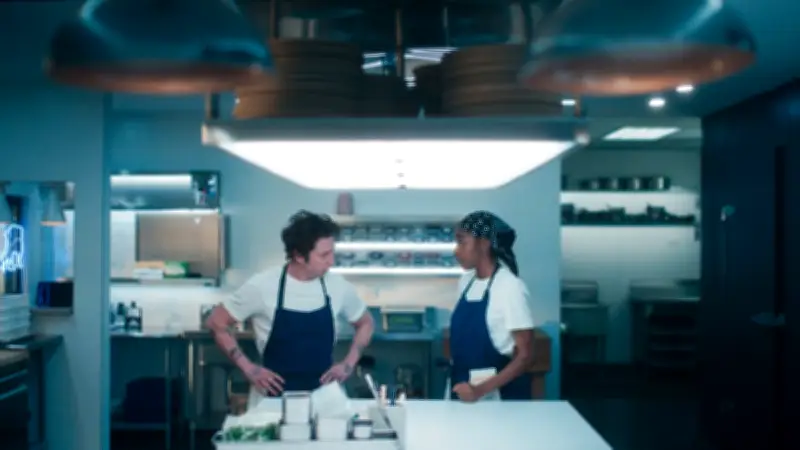
As a pediatric intensive care physician, Seema Jilani has experienced both the heartbreak of losing a patient and the unexpected comfort of a perfectly cooked Texas brisket. In her opinion piece, she argues that while The Pitt has been praised for its realistic portrayal of emergency room medicine, it is actually The Bear that best captures the true nature of hospital work.
Shared Humanity and Grueling Training
Jilani, who consulted on The Pitt, notes that both chefs and doctors share a common bond: they craft life's most tender moments. Both professions endure years of abusive training, exploitation, and chronic sleep deprivation, leading to high rates of depression, anxiety, addiction, and suicide. She draws a parallel between the relentless pursuit of precision in the kitchen and in medicine, where infinite hours are spent mastering minutiae that few will notice.
In The Bear, Carmy describes his former boss as 'Very, probably, mentally ill. Dead inside. Cold. Never turns it off.' Jilani says any doctor would use the same words to describe their most feared mentor in residency. She recalls a medical school professor who joked about suicide, saying they would show students on a cadaver how to 'do it right' so they wouldn't be total failures.
The Raw Reality of Public-Facing Professions
While The Pitt depicts the ideal physician, The Bear shows the frenetic turbulence of the back-of-the-house that Jilani recognizes from her own experience. The camaraderie among staff is airtight—only those who understand the grueling mess can truly appreciate the ease with which it is hidden. She recounts a night after a child's death, washing blood from her hair and handing her body to her mother, then hurrying on to an angry patient.
The Bear also captures the intimacy of a shared language and bodily familiarity developed over years of working together at odd hours. Doctors and chefs know each other's eyebrow arches, recognize slight vocal tremors, and pick each other up in failure. This bond is born of collective fatigue and shared frustration, but also of sacred silences.
Joy in the Ordinary
Beyond the drama, The Bear celebrates the joy of the ordinary—the perfect bite, the comfort offered to another human. Jilani notes that food, when done right, offers healing too. She shares a personal story: after a harrowing day, a surgeon took her for Texas barbecue, and the flavor of the brisket remains a glimmer of magnificence, far more memorable than the relationship that followed.
If you or someone you know is struggling with mental health, help is available. In the US, call or text Mental Health America at 988 or chat 988lifeline.org. You can also reach Crisis Text Line by texting MHA to 741741. In the UK, the charity Mind is available on 0300 123 3393 and Childline on 0800 1111. In Australia, support is available at Beyond Blue on 1300 22 4636, Lifeline on 13 11 14, and at MensLine on 1300 789 978.




