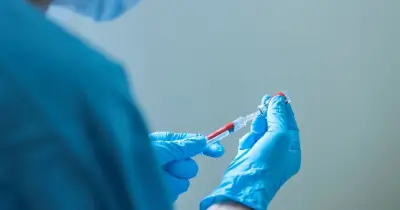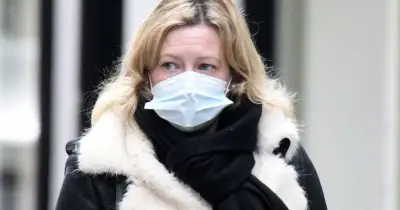
A suspected pneumonic plague outbreak in Siberia has prompted the World Health Organization (WHO) to demand urgent answers from Russia, while US President Donald Trump has announced plans to discuss the situation directly with Vladimir Putin.
Outbreak suspected after lab scientist's death
The alert follows the death of 28-year-old lab scientist Darya Shipilova on October 2 in Irkutsk, after an accidental vial breach at a research facility. Unconfirmed reports indicate a second death in nearby Shelekhov, with horror map graphics highlighting local hospital quarantines and lockdown measures.
Moscow's health watchdog, Rospotrebnadzor, insists there is no active outbreak and claims Shipilova died from pneumonia report diagnoses of undetermined origin. Officials claim testing on contacts only revealed common colds and Covid-19, though locals and independent news outlets suspect a cover-up amid strict hospital isolation rules.
International response and border controls
Neighbouring nations including Kyrgyzstan, Uzbekistan, and Mongolia have implemented heightened border controls over contagion fears. Health experts have urged British authorities to stay vigilant and monitor incoming flights, as the UK receives a strict border alert to screen travelers arriving from affected regions.
The WHO and US health agencies are actively monitoring the situation while requesting transparent data under international health regulations. The WHO expressed concern over reports of a second employee suffering severe illness, urging Russia to verify the exact plague case details and underlying pathogens.
Trump to raise issue with Putin
US President Donald Trump announced plans to discuss the situation directly with Vladimir Putin during an upcoming emergency call, noting microbe strains have grown stronger. Washington has offered technical assistance while intelligence agencies continue evaluating potential risks associated with the deadly outbreak.