
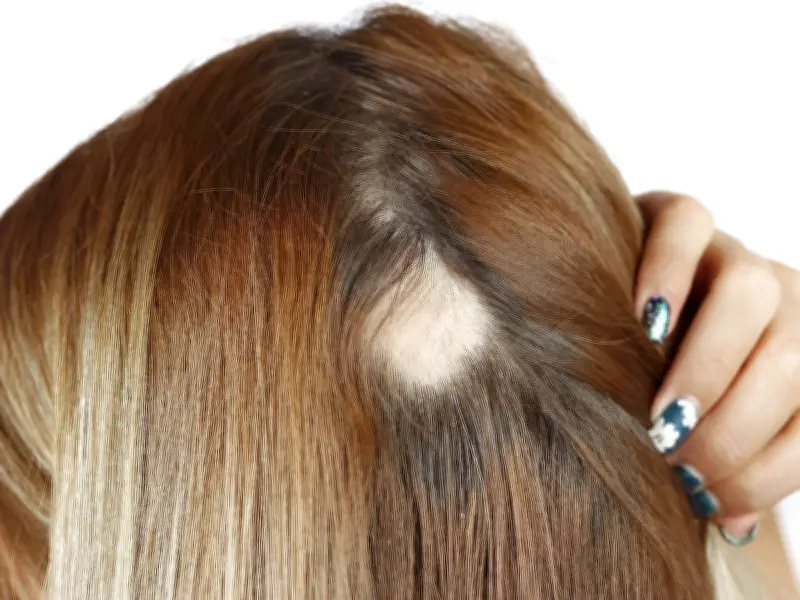
Medication for weight loss and diabetes including Mounjaro, Ozempic and Wegovy have been found to increase the risk of hair loss, according to researchers. Patients on GLP-1 agonist drugs have been reporting hair loss to regulators, but a new study featuring around 50,000 people appears to prove the claims.
Study details and findings
Experts used electronic patient data from the University of Pennsylvania Health System to compare rates of alopecia hair loss in adults using GLP-1s to manage diabetes with those on other drugs. The team noted that regulators in the US have been informed of the link between the drugs and hair loss, particularly for semaglutide (Wegovy and Ozempic) and tirzepatide (Mounjaro).
Researchers found using GLP-1 drugs were associated with a 37% higher risk of alopecia than use of SGLT-2 inhibitors. GLP-1s were also linked to a 68% higher risk of hair loss than use of DPP-4 inhibitors. Further analysis suggested the link related to non-scarring alopecia, where hair follicles remain intact, leaving the potential for hair to regrow.
UK reports and regulatory response
So far this year, the UK Medicines and Healthcare products Regulatory Agency (MHRA) has received 399 reports of hair loss relating to tirzepatide, alongside 541 last year. It has also received 148 reports of hair loss linked to semaglutide, alongside 164 reports in 2025.
The researchers wrote in the British Medical Journal (BMJ): "Case reports and analyses of the US Food and Drug Administration (FDA)’s Adverse Event Reporting System have described occurrences of hair loss following initiation of a GLP-1 receptor agonist, particularly semaglutide (Wegovy and Ozempic) and tirzepatide (Mounjaro). In response, the FDA has indicated that it is evaluating this potential safety signal. Although hair loss does not typically result in physical harm, it may have significant psychosocial consequences, affecting self-esteem, quality of life, and adherence to treatment."
Possible reasons for hair loss
On the reasons why people may suffer hair loss while on the drugs, the team said the most likely reason relates to weight loss and "reduced caloric intake" as it may "contribute to physiological stress and micronutrient deficiencies (for example, iron, zinc, biotin), which can disrupt the hair growth cycle." Other factors may include the "metabolic, hormonal, and immunological effects attributed to GLP-1 receptor agonists that may influence hair follicle growth and cycling."
The team concluded: "Our findings extend previous anecdotal safety signals and provide more systematic evidence to inform clinical awareness of this potential adverse effect."




