
As the fifth heatwave of the summer grips the UK, with an amber weather warning for extreme heat issued by the Met Office for much of England on Thursday, temperatures are also high in Wales. The Met Office stated that adverse health effects are "likely to be experienced by those vulnerable to extreme heat" and that the broader population is likely to experience sunburn, heat exhaustion, and other heat-related conditions. Temperatures are expected to reach around 37°C in some areas, predominantly in the southern and eastern regions of the UK.
NHS guidance on staying cool
The NHS has released official guidance, saying: "Many of us welcome hot weather, but when it's too hot, there are health risks. During heatwaves, more people than usual get seriously ill or die. When hot weather hits, make sure it does not harm you or anyone you know."
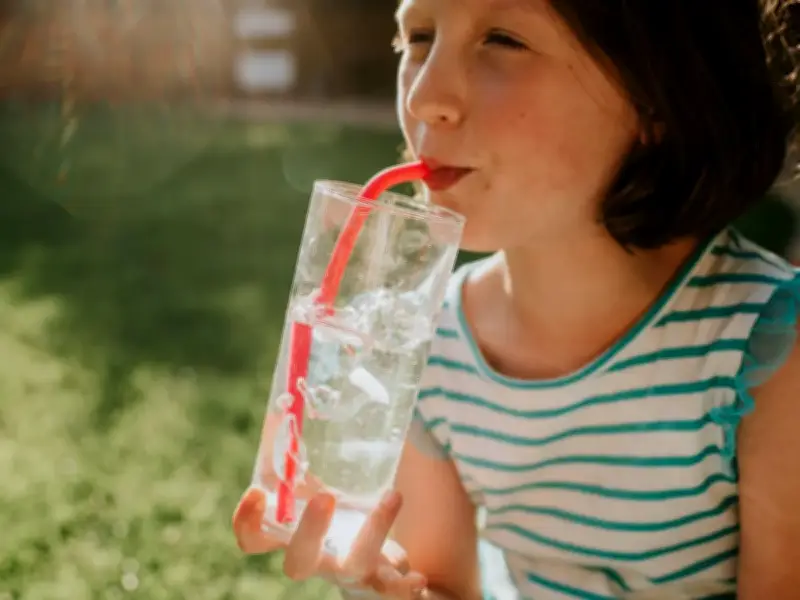
A vital element of remaining healthy in hot weather is staying hydrated. The NHS outlined that the primary dangers posed by a heatwave include insufficient water consumption, which can lead to dehydration, overheating, heat exhaustion, and heatstroke. It encouraged people to consume cold food and drink regular cold beverages to regulate body temperature and avoid dehydration.
Drinks to avoid
The NHS advises people to steer clear of alcohol, caffeine, and hot drinks. The guidance states: "Cool yourself down. Have cold food and regular cold drinks. Drink extra fluids but avoid alcohol, caffeine and hot drinks, and have a cool shower or put cool water on your skin or clothes."
The British Red Cross has also issued advice, encouraging people to avoid alcohol or caffeine. It stated: "Alcohol often goes hand in hand with sunny weather but, it is advised to limit consumption especially in the evening but causes poorer quality of sleep. Caffeinated drinks are diuretics and may encourage your body to lose fluids, risking dehydration as well as increase your body temperatures."
Recognising dehydration
The NHS said that dehydration occurs when your body loses more fluids than you consume. Without treatment, it can deteriorate and become a severe issue, particularly in babies, children, and elderly people. Signs of dehydration in adults and children include feeling parched, headaches, feeling faint, dark yellow, strong-smelling urine, or passing water less frequently than normal. You might also experience dizziness and fatigue, with hollow eyes or a parched mouth, lips, and tongue.
Babies may have a sunken soft spot on their head, hollow eyes, minimal or no tears, fewer wet nappies than usual, and appear lethargic or irritable. According to the NHS, treating dehydration requires the following approach: "You should drink fluids if you have symptoms of dehydration. If you feel sick or have been sick, you may find it hard to drink, so start with small sips and then gradually drink more. Avoid caffeinated drinks and alcohol as both will dehydrate you."




