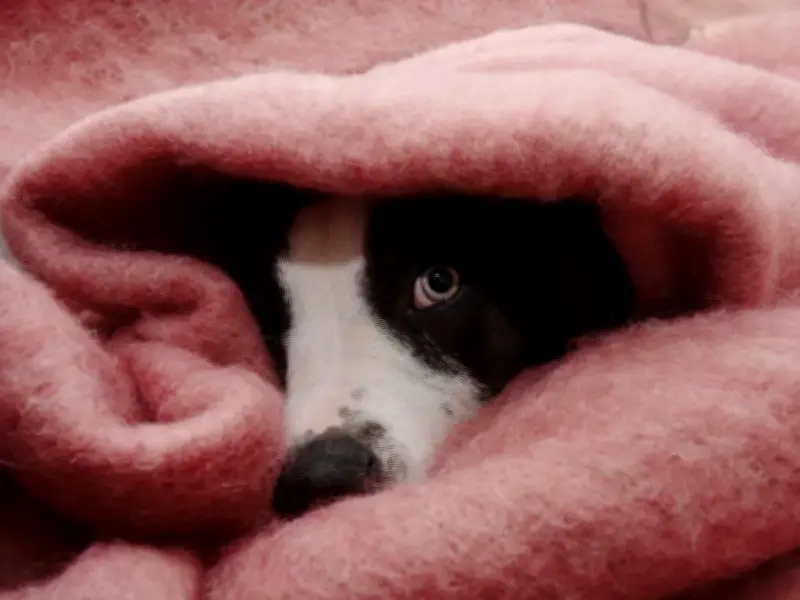
Dog owners should begin desensitising their pets to fireworks six weeks before Bonfire Night, according to Medivet and Partners, one of the UK's foremost providers of veterinary services. The call comes as online searches for methods to desensitise pets to loud noises typically surge in late October, with a 90 per cent rise in searches between the 1st and 31st of October last year.
Why start early
Vet Andrew McVey, partner at Medivet Orrell Park, advises starting preparations six weeks beforehand to allow your pet sufficient time to adapt. He suggests that gaming could be a surprisingly useful tactic to explore.
"Pets are often frightened of loud noises due to their acute hearing, which is much more sensitive than humans. The loud bangs and crashes you can often hear on TV or with fireworks at this time of year can trigger feelings of anxiety and stress," McVey said.
Practical steps for owners
Medivet and Partners has provided advice on the most effective approach for desensitising pets to frightening sounds. First, establish a safe, calm and quiet environment for your pet several weeks beforehand, considering pet-friendly pheromones and favourite toys.
Begin any exposure therapy at a minimal level, whether using a TV programme, film, dedicated firework noise videos, soundtracks, gaming or music. Ensure the initial session is so quiet your pet hardly reacts at all, and observe their response for up to 30 seconds.
Gradual progress and rewards
Provided your pet is not showing signs of distress or anxiety, start to turn the source of sound up incrementally, continuing to watch their body language and behaviour for any adverse reactions for up to 30 seconds. The key is to swap any negative association with loud noises for a positive one by praising your pet and rewarding them with their favourite treat, or engaging them in a brief play session.
This can be repeated each time you adjust the volume until they naturally begin to link the sounds with enjoyable experiences. It is also crucial to start changing the volume levels, mimicking the fluctuations of the sounds they are hearing. The more patient you are and the more time you dedicate to this training, the greater your chances of success.
When to seek help
If your pet is finding it difficult to cope, there are behaviourists who are able to assist. Consult your local vet, who can advise on the most suitable course of action if you have any worries. Certain products can also help, including pheromones that are completely odourless to humans yet have a soothing effect on your pet, though these may take up to three months to take effect.