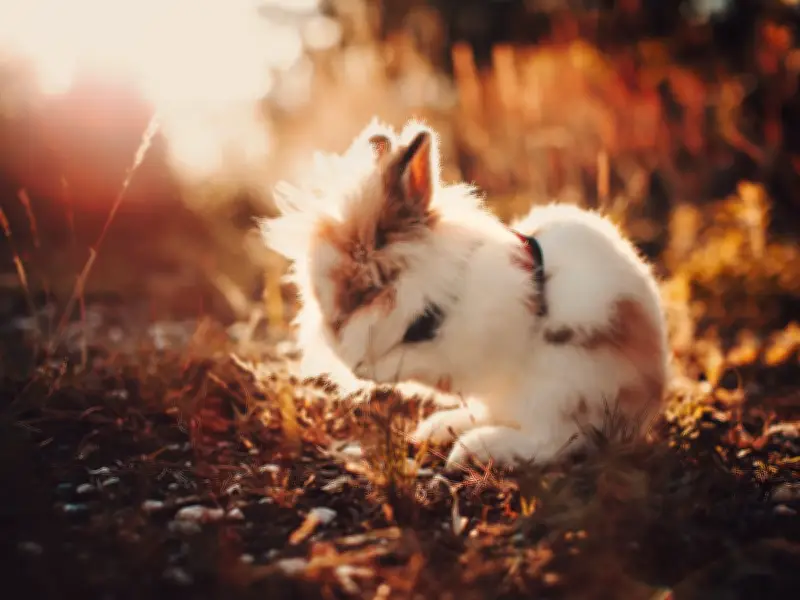
As temperatures continue to stay well above average, veterinary experts are warning that rabbits and guinea pigs are at particular risk of heatstroke because, unlike dogs, they cannot pant effectively to cool themselves down.
Vet Warns of Heatstroke Risk for Small Pets
Dr Suzanne Moyes, in-house vet at Burgess Pet Care, has shared advice for keeping small animals safe during hot weather. She said: "Sadly, pets die every year from heatstroke. Small animals such as rabbits and guinea pigs are particularly vulnerable because they have dense fur, cannot pant or sweat efficiently, and often live in enclosed spaces."
With nearly 40% of owners housing their small animals inside in summer, Dr Moyes stressed the need for action to keep furry companions cool, happy, and healthy.
Six Tips to Prevent Heatstroke
1. Move Outdoor Enclosures to Shade
Dr Moyes said: "Direct exposure to the sun on hot days can be very dangerous for small animals that live outdoors, like rabbits. Heatstroke is a life-threatening emergency for rabbits, as they are unable to sweat or pant efficiently to reduce their body temperature. If possible, move your pet's enclosure out of the sun. Don't forget that the sun will move throughout the day, so you'll need to keep an eye on them to make sure they're not exposed."
2. Drape Cold, Damp Towels Over Hutches
If moving the enclosure isn't possible, a good alternative is to drape a damp towel over the top. This blocks the sun and actively cools the animals. Always wring the towel out well so it's only damp, not wet. Guinea pigs are very sensitive to temperature changes and could go into shock if they get wet and aren't dried thoroughly.
3. Beat the Heat with Plenty of Hay
In the wild, small pets would seek cool burrows during hot spells. Filling their shelter with high-quality feeding hay provides insulation while allowing them to eat in the shade.
4. Stroke Fur with a Cool, Damp Flannel
Stroking rabbits' or guinea pigs' fur with a cool, damp flannel can provide relief during a heatwave. For rabbits, focus on carefully dampening their ears, as they lose heat from that part of their body.
5. Clean the Enclosure Regularly
Regular cleaning is especially important in hot weather to reduce the risk of flies and prevent flystrike, a painful and sometimes fatal condition caused by flies laying eggs in the host's flesh. Remove uneaten vegetables promptly, as they rot quickly in heat and attract flies.
6. Avoid Giving Small Pets a Cool Bath
Dr Moyes warned against giving small animals a cold bath, as it is very stressful and can cause their sensitive bodies to go into shock, especially for guinea pigs.