The UK Health Security Agency (UKHSA) has reported rising norovirus activity across England, with cases running 40.4% higher than usual for the two-week reporting period between October 26 and November 8. While still within expected levels, the agency expects cases to continue rising as winter approaches.
UKHSA recorded 257 cases over the two-week period up to mid-November. Medical professionals are calling on the public to stay alert to the highly infectious bug, which can persist on surfaces such as glasses, mugs and plates for up to 14 days after contamination, and on fabrics for up to 12 days.
Common hotspots for norovirus spread
Dr Corné Hurter, Medical Director for Services and Delivery at AXA Health insurance, said: "Norovirus is an extremely contagious virus that spreads through contact and can cause sickness and diarrhoea for those infected. Therefore, proper hygiene and cleanliness must be maintained as cases continue to rise."
Five norovirus hotspots have been highlighted: washing-up sponges, kitchenware, door handles, gym equipment, and towels. Dr Hurter explains that whether it's a kitchen sponge at home or in a shared workspace such as an office, these cleaning tools can play host to hundreds of different strains of bacteria and viruses. Washing-up sponges ought to be changed more regularly, and rigorous disinfection methods should be employed, including sterilising them in boiling water.
Norovirus can linger on surfaces such as glasses, mugs and plates for as long as two weeks following contamination if the item is not thoroughly cleaned. Dr Hurter said: "Always ensure that you are washing kitchenware with hot water and a disinfectant with proven efficacy against norovirus before and after use."
Precautions for door handles, gym equipment and towels
Door handles are frequently touched surfaces, rendering them particularly vulnerable to viruses and germs. They should be routinely disinfected using bleach-based cleaning products to reduce the risk of contamination. "After touching door handles, always thoroughly wash your hands with warm water and soap to prevent the spread of viruses," the doctor said.
Hundreds of people use gym equipment throughout the week, making it a high-risk source of norovirus transmission. Dr Hurter said: "Whenever you attend a gym or workout class, try to thoroughly disinfect equipment with bleach-based products before and after use. However, if this isn't possible, make sure to wash your hands straight after your session with soap and warm water."
Dr Hurter warns that norovirus can remain on fabrics for as long as 12 days following contact, and emphasises it is vital to steer clear of shared towels and flannels as infection rates continue to climb. She explained: "Where possible, use your own clean towel and opt for a hand dryer after washing your hands. When washing your clothes, use a cycle setting with a 60°C temperature, as this will kill off the virus."
Symptoms and how to relieve them
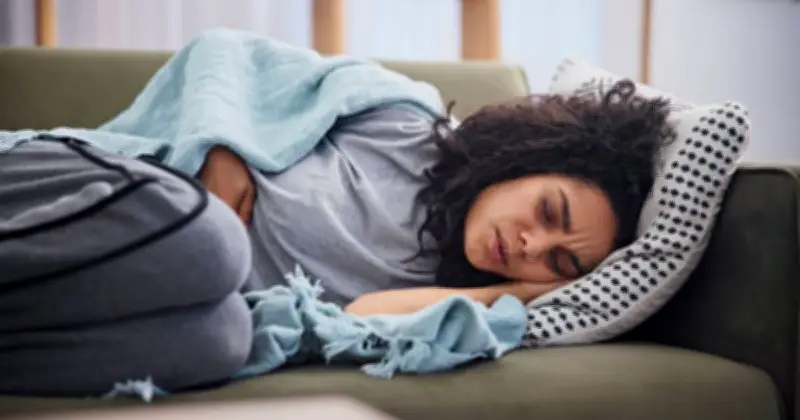
Six key symptoms of norovirus to be aware of are nausea, vomiting, diarrhoea, high temperature, headaches, and abdominal or generalised bodily aches and pains. According to the NHS, the primary symptoms typically begin abruptly and include feeling sick (nausea), being sick (projectile vomiting), and watery diarrhoea. Symptoms generally emerge one to two days following exposure and persist for two to three days.
The health service recommends staying away from work, school, hospitals, and food preparation for others for at least 48 hours after symptoms cease. Warm water and soap should be used instead of alcohol hand gels, which are ineffective against norovirus.
Symptoms of norovirus can be treated at home and typically ease after a few days as the virus runs its course. Over-the-counter painkillers, such as paracetamol, can be taken to alleviate symptoms, adhering to the packet instructions.
Dr Hurter explained: "With any illness that causes sickness, it's crucial to maintain fluid levels whilst unwell to prevent dehydration, especially in the initial stage of sickness. Our bodies lose a lot of fluids through vomiting and diarrhoea, so you must be regularly drinking clear fluids and electrolytes when you are unwell with norovirus."
She recommends eating only when you feel able to do so; when you do begin eating again, try to keep meals simple to prevent further stomach upset. If you're finding it difficult to keep food down, she suggests trying small portions of easily digestible items such as dry toast or crackers, while steering clear of fatty or spicy dishes.
"Rest is essential for a quick recovery when infected with norovirus," she continued. "You should ensure that you are giving your body adequate time to rest and recover."
Dr Hurter concluded: "It is essential that if you become infected with norovirus, you avoid contact with the public for a minimum of 48 hours after your symptoms have subsided. Staying at home whilst unwell with norovirus is crucial for minimising the further spread of the virus."