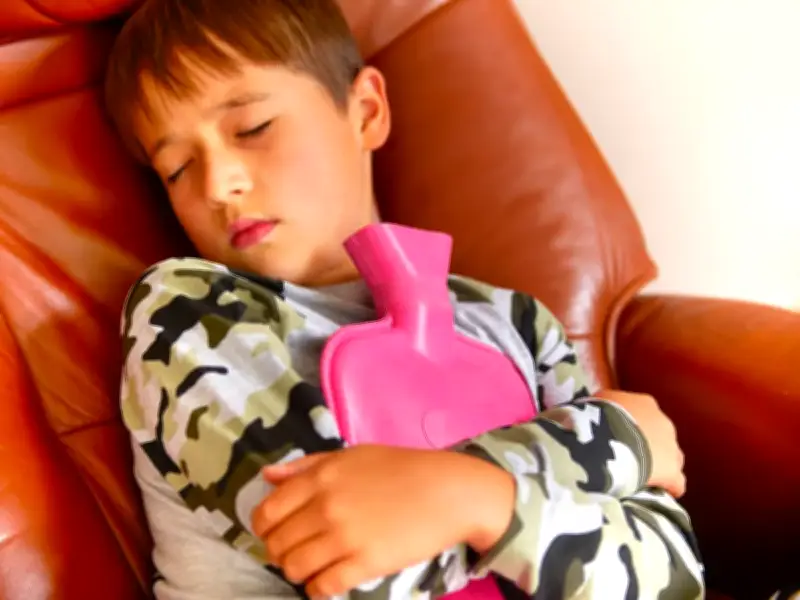
Health officials have issued an urgent alert as cases of norovirus rise, telling people with symptoms to stay at home for 48 hours after they stop feeling unwell. The UK Health Security Agency (UKHSA) has also warned that hand sanitiser will not kill the virus.
Rising norovirus cases
Posting on X, formerly Twitter, the UKHSA said the number of people developing norovirus has recently risen. There have been 2,111 laboratory reports of the infection so far in the current season, an increase of 16.8% on the five-season average for the same period.
While the figures remain within expected levels, the agency noted that the infection has begun to increase, with 257 reports over the two weeks up to last week. It has shared advice on what people should do if they develop any of the symptoms.
Seven symptoms to watch for
Norovirus, often called the winter vomiting bug despite being catchable all year round, is a stomach bug that causes vomiting and diarrhoea. It spreads easily through communities, making outbreaks common in settings where people have close contact, such as hospitals, care homes, cruise ships, schools and nurseries.
The virus infects the stomach and intestines and is also known as a gastrointestinal virus, gastric flu or a stomach bug. People can catch norovirus more than once in a short period because multiple types, or genotypes, circulate at any given time. While limited immunity to one strain may develop, infection by a different strain can still occur soon after.
The UKHSA previously warned: "Norovirus is incredibly infectious, so if you're feeling unwell stay home for 48 hours after symptoms stop as you are still infectious during this time." It also warned that hand sanitiser will not work to prevent the illness.
Prevention and treatment advice
To prevent transmission, the health service recommends that those experiencing symptoms avoid attending school, work, hospitals and care homes until 48 hours after the symptoms have ended. The NHS also sets out steps to limit the spread, including washing hands with soap and water after using the toilet or changing nappies, washing hands before preparing or eating food, washing clothes and bedding with faeces or vomit on them at a 60C wash and separately from other laundry, cleaning toilet seats, flush handles, taps and bathroom door handles, and avoiding contact with others as much as possible.
Anyone with symptoms is advised not to go to school, nursery or work until they have not been sick or had diarrhoea for two days, and not to visit others in hospitals or care homes until the same period has passed. If diarrhoea lasts more than seven days or vomiting more than two days, people should call 111.
According to the NHS, norovirus symptoms can appear "suddenly" and usually include nausea, vomiting and diarrhoea. It adds: "It can be very unpleasant, but usually gets better in about 2 days." Other symptoms may include a high temperature, a headache, tummy pain and body aches and pains.
The NHS says norovirus can usually be treated at home, with people typically starting to feel better in 2 to 3 days. The most important step is to have lots of fluids to avoid dehydration. Recommended actions include staying at home and resting, drinking fluids such as water or squash in small sips, continuing to breast or bottle feed babies, giving formula-fed or solid-food babies small sips of water between feeds, eating when able while avoiding fatty or spicy foods, and taking paracetamol for discomfort.
People are advised not to have fruit juice or fizzy drinks, which can make diarrhoea worse, not to make baby formula weaker, not to give children under 12 medicine to stop diarrhoea, and not to give aspirin to children under 16.