People in the UK considering weight-loss injections have been warned about the dangers of counterfeit products, following a major seizure of fake pens in Birmingham. The Medicines and Healthcare products Regulatory Agency (MHRA) and West Midlands Police confiscated more than 12,000 counterfeit weight-loss pens from an industrial unit, according to the Mirror.
Raid highlights scale of illegal market
The MHRA said these illegal products have never undergone safety or quality testing. Some packages even included retatrutide, a drug not licensed anywhere in the UK.
Dr Amar Ahmed, GP partner at Wilmslow Health Centre, issued a new warning to anyone contemplating weight loss injections, particularly if they are considering purchasing medication from non-pharmacy sources.
In a Facebook video, he said: "If your weight loss jab came from anywhere other than a pharmacy, can I have 30 seconds of your time?"
He added: "On October 14, the Medicines Regulator, that's the MHRA, went into an industrial unit in Birmingham with the West Midlands Police and it came out with over 12,000 counterfeit weight loss pens. And that's from the MHRA's own statement, which they put out the next day."
What counterfeit means for users
Dr Ahmed explained that counterfeit does not simply mean a product is weak. He said: "It actually means nobody knows what's in it. The MHRA say these haven't been checked for safety, for quality, or for whether they do anything at all. So if you take it, you'd be injecting a complete unknown. And one of the two drugs that they named, Ritatritide, isn't licensed in the UK at all."
He advised that if a medicine came from a pharmacy on a prescription, users should carry on as usual. But for those who bought from a website, a messaging app, or someone at the gym, he said: "Please don't take the next dose until you've spoken to a pharmacist. Not next week, as soon as possible. And certainly before you take any more of it."
Why people turn to unregulated sources
Approved weight-loss jabs, including Wegovy and Mounjaro, are available on prescription only. They are designed for adults with obesity or weight-related health issues, used alongside a calorie-controlled diet and regular physical activity.
Soaring demand and supply shortages have created an opening for illegal traders. An Ipsos survey revealed nearly one in 10 UK adults would purchase weight-loss injections through social media if unable to obtain a prescription. A study of 2,000 GLP-1 users conducted by MedExpress found that over 20 per cent had already purchased unverified injections, with those aged 25 to 34 particularly at risk.
Financial damage is also escalating. Santander UK confirmed that fraud losses from counterfeit weight-loss injection scams doubled year-on-year, with victims losing an average of £120 while searching for cheaper alternatives.
Several factors are pushing people away from legitimate providers, including high private prescription costs, NHS delays and strict rules. Private treatment can run up to £2,500 annually, and one study found 51 per cent of users identified cost as the main reason for discontinuing treatment.
Health risks and safety advice
Officials have discovered fake injectables containing harmful bacteria, undisclosed chemicals, and hazardous substances such as cement and arsenic. Numerous counterfeit pens contain mislabelled insulin, which can trigger rapid blood sugar drops, leading to severe hypoglycaemic shock, coma, or death.
Almost 90 per cent of reported adverse reactions to fake semaglutide are classified as serious, including severe vomiting, acute pancreatitis, and dehydration.
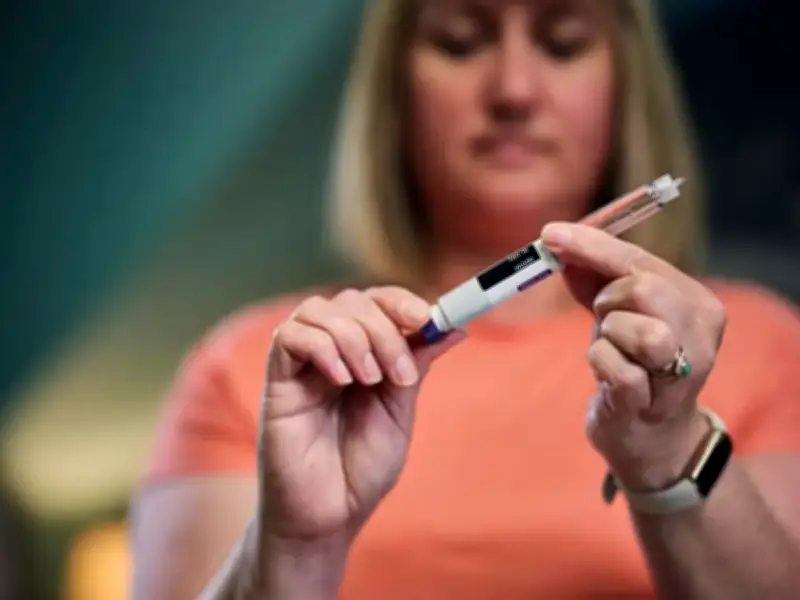
Experts advise verifying that an online provider is registered on the General Pharmaceutical Council (GPhC) register. Legitimate prescription medicines are never sold directly through social media or general shopping platforms. If a website offers jabs without a clinical consultation or BMI verification, it is illegal and probably fake. Genuine medications use proper branded pens, and users should be wary of loose syringes, unlabelled powders, poor printing, or cloudy liquid.
If medication was prescribed and dispensed by a licensed pharmacy, users can safely continue their treatment. However, if an injection was purchased online or via social media, the advice is to stop using it immediately and seek advice from a GP or pharmacist.