Almost 500 people in the UK are now ill with salmonella as health authorities identify two new clusters of infection. Cases have risen to 474, with two deaths linked to the outbreak.
Investigations point to imported eggs
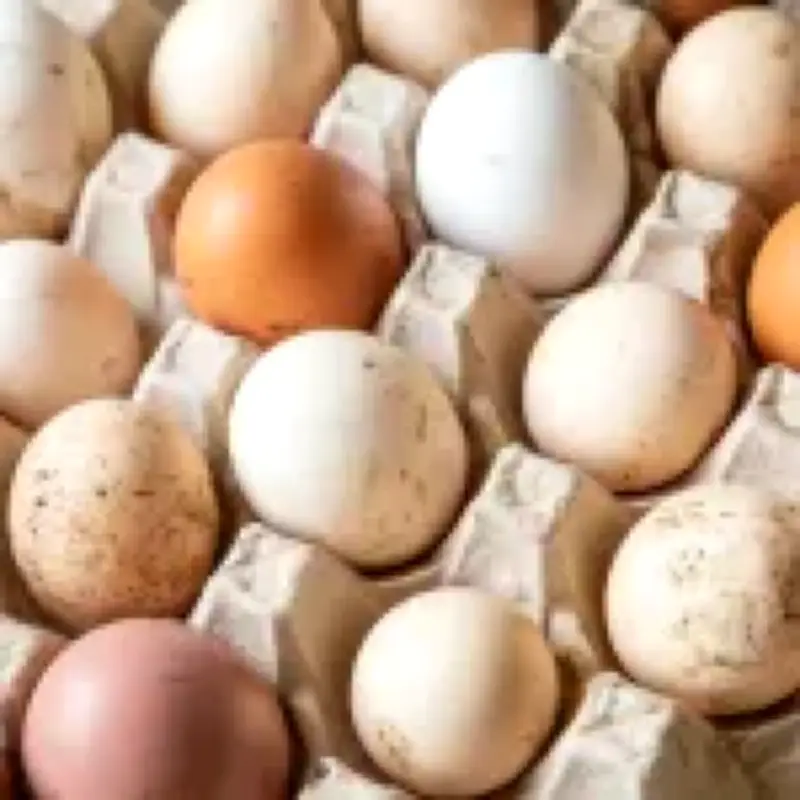
Last week, the UK Health Security Agency (UKHSA) said the outbreak 'may be linked to eggs imported from outside of the UK'. Some cases date back a year, but all have been linked to almost genetically identical bacteria, suggesting a common food source.
Salmonella outbreaks have been found around Europe, with cases in Austria, Belgium, Denmark, France, Germany, and the Netherlands. The over 100 cases in the Netherlands have been linked to chicken rather than eggs, according to investigations.

Geographic spread and demographics
Investigations go as far back as August 2025, with the majority of UK cases in London, Yorkshire and Humber, although cases have been found in Scotland, Wales and Northern Ireland too. Over a third of those affected have needed hospital care, with ages of patients ranging from babies to those in their 90s.
Most get better with treatment and of the almost 500 cases, only two deaths have been linked to salmonella. This outbreak involves a few specific, near-identical genetic clusters called t5.9411, t5.9765, and t0.24068, with the deaths linked to the first two.
What is Salmonella?
Salmonella is a bacteria which is spread via contaminated food such as eggs, poultry, meat, unpasteurised dairy products and fresh produce. Consumption can result in an infection called salmonellosis, which can be fatal. Typical symptoms can include diarrhoea, stomach cramps, vomiting and fever. But for those who are particularly vulnerable – such as young children, older adults and immunocompromised people – it can result in more severe illness such as blood stream infection and sepsis.
The particular variation of Salmonella in the current outbreak is S. Enteritidis, which is the most common type in England. The Food Standards Agency (FSA) has said that there is 'no evidence that UK-produced eggs are affected'. Eggs with the British Lion mark or are produced under the Laid in Britain scheme are safe to eat, with a strict salmonella vaccination standard in place for hens.
Industry and health authority responses
Prof Ian Young from the Food Standards Agency said: 'We continue to work closely with the UK Health Security Agency and other partners to investigate. The exact causes of these outbreaks have not yet been identified, but investigations so far have identified links to imported eggs. There is no evidence that UK-produced eggs are affected.'
Will Raw, chair of the NFU Poultry Board, described the news that the serious outbreak was being linked to eggs from abroad as 'hugely concerning'. He said: 'This undermines the excellent work British egg producers have undertaken over decades, adhering to the highest standards, abiding by rigorous testing and building a world-leading reputation. Food produced to standards that would be illegal in the UK is still being allowed into our market. This simply cannot be allowed to continue.'
The UKHSA said: 'We will continue to follow up cases and investigate any further common sources if they come to light.' Symptoms of salmonella include stomach cramps, diarrhoea, vomiting and fever, developing within the first 72 hours of being infected.