The UK Health Security Agency (UKHSA) has identified eight groups of people who are "particularly vulnerable" to the XFG variant of Covid-19, also known as "American Covid", as infections continue to surge across the UK.
Data from the UKHSA shows documented infections rising from 1,374 in August to 4,589 in September, a jump of 230%. Hospital admissions for patients with Covid increased from 950 in August to 4,939 in September.
Variant symptoms and vaccine coverage
The XFG variant is an offshoot of the Omicron family. Common symptoms include fever or chills, a continuous cough, shortness of breath, body aches, headaches and a blocked nose. More severe symptoms include a painful sore throat, a hoarse or croaky voice, nausea and diarrhoea.
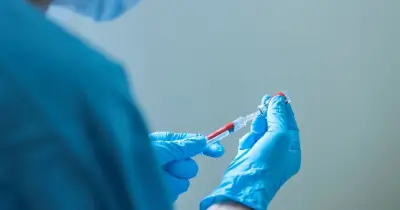
The UKHSA has confirmed the current autumn vaccine has been designed to target the variant. However, some groups may be particularly vulnerable, including those with conditions affecting the immune system.
Full list of vulnerable groups
According to the UKHSA, people with the following health conditions are "particularly vulnerable" to Covid-19:
- Cancer
- Kidney disease
- Liver disease
- Organ transplant
- Autoimmune or inflammatory conditions
- Brain conditions
- Lung conditions
- Nervous system conditions
The UKHSA said: "The NHS provides treatment to people with COVID-19 who are at the highest risk of becoming seriously ill. You may be eligible for a COVID-19 treatment assessment if you are aged 12 or over, have symptoms and have tested positive for COVID-19, and have certain health conditions."
"These include conditions affecting the immune system, certain cancers or cancer treatments, kidney or liver disease, organ transplants, autoimmune or inflammatory conditions, and conditions affecting the brain, nervous system or lungs. If you're unsure whether you're eligible, speak to your GP or hospital specialist who can advise you."
Stay-at-home guidance and vaccine advice
The NHS and UKHSA have urged people to stay at home if they are experiencing Covid-19 symptoms. However, this is not a lockdown like those seen during the pandemic.
The UKHSA added: "Vaccines remain our best defence against severe disease and hospitalisation from flu and COVID-19. The NHS will contact you if you are eligible for a COVID-19 vaccination. Current eligibility includes people aged 75 and over, those with weakened immune systems, and those living in care homes for the elderly. Anyone who falls into these groups is strongly encouraged to take up the vaccine, as it provides protection against severe illness."
The UKHSA has emphasised that there is no evidence suggesting the XFG variant makes people more ill than previous strains, despite the recent rapid spread. They said: "XFG - sometimes referred to in the media as the Stratus variant - remains the most common current COVID-19 variant. XFG has also been referred to as 'American Covid' in some media coverage, though it is not new and has been circulating in the UK and other countries for around a year. The name reflects where the strain was first sequenced and detected, rather than necessarily where it originated."