
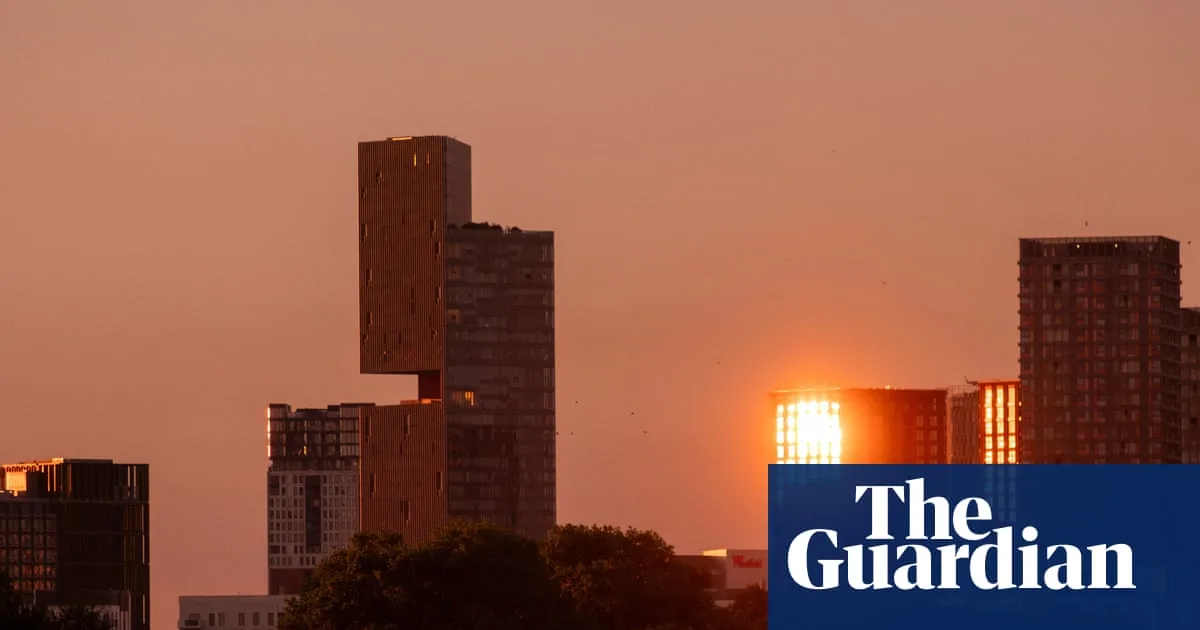
The Met Office has expanded its extreme heat warning for parts of the UK, predicting record-breaking highs of 38C (100.4F) this week. The amber alert, in place from Monday to Thursday, covers southern England, central and eastern Wales, much of the Midlands, and later extends to Greater Manchester, Yorkshire and Cheshire.
Health officials warn that very high humidity will exacerbate the danger of heat stress for elderly and vulnerable people. The UK Health Security Agency (UKHSA) has issued yellow and amber heat health alerts, urging health and social care services to prepare. Overnight temperatures may not drop below 20C in southern urban areas, marking 'tropical nights'.
The Met Office says there is a 25% chance of temperatures exceeding 40C, which would break the June record of 35.6C set in 1976. Deputy chief forecaster Tom Crabtree described the heatwave as an 'impactful severe weather event' affecting public health, infrastructure, and power and water supplies.
Age UK's charity director Caroline Abrahams advised older people to take care, especially those with cardiovascular or kidney problems. Dr Mehri Khosravi of the University of East London noted that age and low income increase vulnerability, as many buildings are not designed for such heat.
The hot, humid conditions are also expected to boost mosquito numbers, particularly in southern inland areas. The public is advised to stay hydrated, avoid sun between 11am and 3pm, and keep homes cool. By Friday, temperatures are forecast to ease to 33C in eastern areas.




