
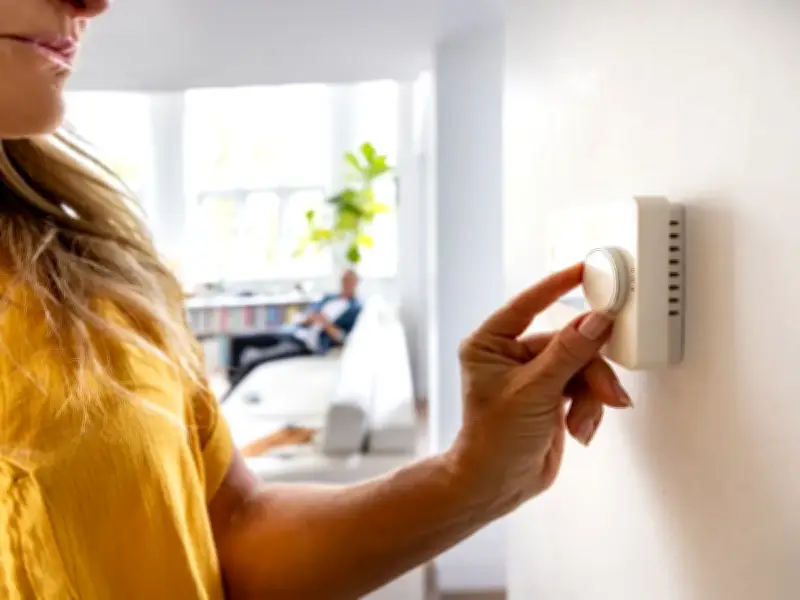
The UK Health Security Agency has issued a warning to anyone using central heating this winter about the risk of carbon monoxide (CO) poisoning, which is more common during colder months. As households turn on their heating and keep windows closed, CO can leak into homes. The gas is colourless, odourless, and cannot be seen, smelled, or tasted, yet it kills around 25 people each year in England and Wales, with many more hospitalised.
Why CO Builds Up in Winter
Malfunctioning fuel-burning appliances and reduced ventilation can create conditions for CO to build up to dangerous levels. Smaller rooms containing CO sources, such as fuel-burning cookers and fireplaces, are particularly at risk because the pollutant concentrates more quickly in confined spaces. However, elevated CO levels can pose a threat throughout homes as the gas disperses from room to room.
Symptoms and Sources of CO Poisoning
Recognising the symptoms is crucial because CO is invisible and has no smell. The main symptoms include headache or dizziness, feeling or being sick, feeling weak, confusion, chest and muscle pain, and shortness of breath. A key warning sign is symptoms that come and go, especially if they worsen in a particular room or building and improve when leaving or going outside.
Common household appliances can produce CO if they are not installed properly, are faulty, or are poorly maintained. These include gas boilers, stoves burning wood, kerosene, natural gas or propane, and heaters using wood, oil, or natural gas. Central heating can cause CO poisoning if it burns fuel such as gas, oil, coal, or wood and is faulty, poorly maintained, improperly installed, or poorly ventilated. Using portable generators, barbecues, or camping stoves inside homes, caravans, or tents also poses a risk.
Protecting Your Home and Family
The UK Health Security Agency recommends several steps to protect households. Installing CO alarms is described as the single most important action. Only 46 per cent of English homes had a CO alarm in 2020, leaving millions of households vulnerable. Alarms compliant with BS EN 50291-1 should be installed in every room with a fuel-burning appliance, including gas boilers, coal fires, and wood-burning stoves. The same applies to temporary accommodation such as caravans and boats. Landlords are legally required to install CO alarms in any room used as living accommodation that includes a combustion appliance.
Using extractor fans in kitchens significantly lowers CO levels, according to research. Adequate ventilation is advised when cooking or using open fireplaces, wood-burning stoves, or other fuel-burning appliances, as well as when using a generator or running vehicles in an enclosed space. All gas appliances should be serviced annually by a Gas Safe registered engineer, and chimneys should be swept each year.
Warning signs include 'floppy' yellow or orange flames on gas appliances instead of crisp blue ones, soot marks around appliances, or increased condensation inside windows. If CO poisoning is suspected, the advice is to stop using any appliances that might be producing CO, open windows and doors, go outside immediately, and seek medical advice. Do not re-enter the affected building until professional advice has been received. If a gas appliance is suspected of leaking CO, the free National Gas Helpline can be called on 0800 111 999, available 24 hours a day, 7 days a week.




