
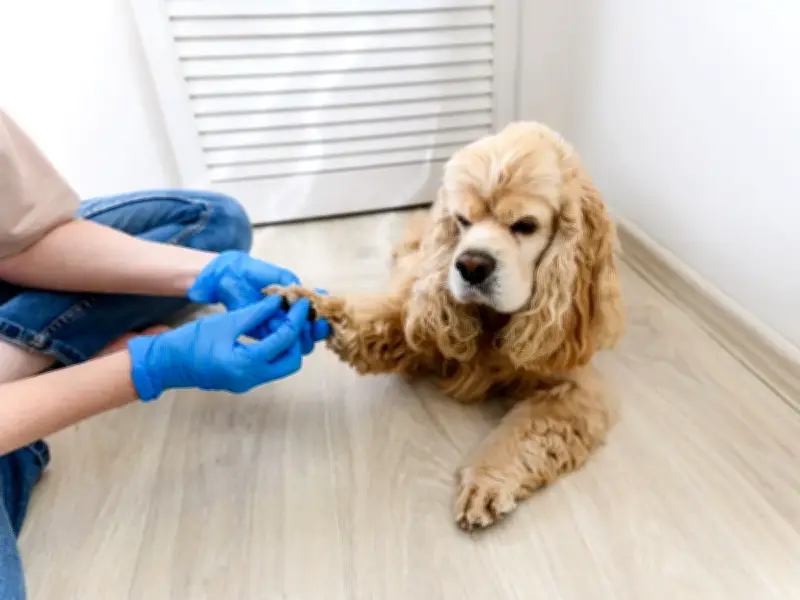
Dog owners in the UK are being urged to give their pets a thorough check after every walk this summer, as a vet warns that tiny grass seeds can quickly turn into a painful problem.
Warning signs to watch for
Warning signs include limping that appears suddenly, a sneezing fit, head shaking, or an eye clamped shut. These could all be reactions to something irritating the dog, such as a single grass seed.
The risk increases during the UK’s grass-seed season, which runs from May to October and typically peaks in June, July, and August, as dry grasses shed sharp, barbed seeds. These seeds can cling to fur and work into sensitive areas like paws, ears, and around the eyes.
Which dogs are most at risk?
Certain dogs, including spaniels and spaniel crosses, are thought to be more likely to pick up seeds. However, Dr James Greenwood’s warning says no pet is immune to the problem.
The experienced vet warned that even vigilant owners can miss early signs because the problem starts so small. He said: "These tiny little things can cause a surprisingly big problem for our dogs. Grass seeds (or foxtails) have tiny barbs that mean they tend to travel in one direction — but not backwards."
"So once they get into your dog’s fur, skin or body, they can work their way deeper and become firmly stuck - and the signs can appear very quickly. Sometimes we can remove them easily and other times, a mild sedation is needed so we can safely locate and remove the seed in one piece."
Real-life case and advice
In another video, he showed the harsh reality of what these seeds can do. Another sedated pup in his surgery had a blood-soaked seed removed from its paw. He said: "My patient this time had been incessantly licking the paw all morning - came in as an emergency. Sedation, made an incision over the swelling and found a seed right under the skin. OUCH. Here’s to a speedy recovery, now that it’s out!"
His advice is simple - don’t wait and see if the symptoms “go away”. The longer a seed is left, the more chance it has to move and cause damage, meaning a quick check and fast action can prevent a bigger ordeal later.
Prevention tips
To cut the odds of problems, owners are being told to check coats and key areas after walks, especially paws, ears, and eyes, and remove any loose seeds straight away. If your regular route is full of long grass, switching paths for a few weeks may help - and the change of scenery can be a win for dogs that love new smells and new ground to explore.
It’s not about wrapping your dog in cotton wool, it’s about spotting trouble early. A 30-second check after a walk could save you a stressful night (and a vet bill).




