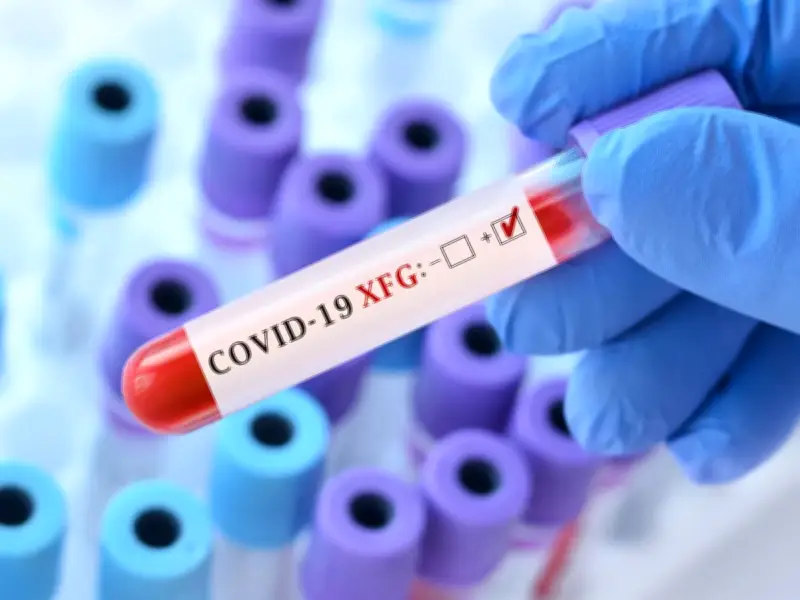
The UK Health Security Agency (UKHSA) has warned that the surging Covid variant dubbed "American Covid" poses the highest risk to Brits with seven specific underlying health conditions. The latest strain, officially named XFG or Stratus, has been sweeping across the UK, sending Covid-related hospital admissions soaring by 50 per cent as positive test rates climb to seven per cent.
Seven conditions at highest risk
While the UKHSA insists the strain does not appear to cause more severe illness than previous variants, officials warn that waning immunity and colder winter weather are driving a fresh wave of infections nationwide. NHS bosses have now highlighted seven key medical issues that put patients at the highest risk of falling seriously ill.
If you test positive for Covid-19 and are aged 12 or over, you may be eligible for a treatment assessment if you suffer from conditions affecting the immune system, certain cancers or active cancer treatments, organ transplants, kidney or liver disease, autoimmune or inflammatory conditions, conditions affecting the brain or nervous system, or conditions affecting the lungs.
Why cases are spiking now
Health officials urge anyone who is unsure whether they qualify to ask their GP or hospital specialist for advice. UKHSA surveillance data shows the variant, which earned the moniker "American Covid" because it was first identified in the US, has actually been circulating in the UK for roughly a year.
Explaining why cases are spiking now, the UKHSA said: "As we move into winter, colder and wetter weather means people spend more time indoors, which enables the spread of respiratory viruses." It added: "It has also been roughly a year since the last significant COVID-19 wave, so immunity from vaccination and previous infection may be waning in parts of the population, making people more susceptible."
Hospital admissions and new variant
Health chiefs reassured the public that rising hospital admissions do not mean the strain itself is deadlier. "As increases in hospitalisations are rising in line with overall increases in COVID-19 circulation - rather than rising sharply on their own - this suggests a general increase in COVID-19 activity rather than a variant causing more severe disease," the agency said.
Experts are also keeping an eye on another emerging strain known as BA.3.2 or the "Cicada" variant, a descendant of the Omicron lineage that re-emerged late last year. The World Health Organization (WHO) currently classifies Cicada as a "variant under monitoring" with low public health risk.
Guidance and boosters
If you catch the bug, officials advise taking immediate precautions to protect others. UKHSA guidance states: "If you have symptoms of a respiratory infection, such as COVID-19, and you have a high temperature or do not feel well enough to go to work or carry out normal activities, you should avoid contact with vulnerable people and stay at home if possible."
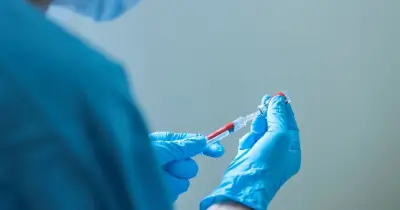
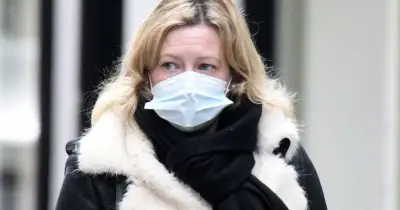
For those who absolutely cannot stay at home, the UKHSA advises wearing a well-fitting face covering, avoiding crowded places such as public transport, taking exercise outdoors and washing hands frequently with soap and water. NHS autumn booster jabs are currently available for adults aged 75 and over, residents in elderly care homes and individuals with weakened immune systems. Health bosses added that "vaccines remain our best defence against severe disease and hospitalisation from flu and COVID-19."