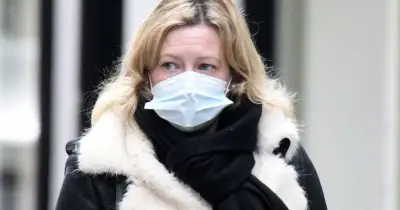
Cases of a Covid variant known as 'American Covid' have increased sharply in the UK, with health officials urging people experiencing respiratory symptoms to take precautions to protect others.
Sharp rise in cases and hospital admissions
Figures from the UK Health Security Agency (UKHSA) show that reported cases rose from 1,374 in August to 4,589 in September, marking a 230% increase. Hospital admissions involving Covid also climbed, rising from 950 in August to 4,939 in September, according to the figures provided.
The variant, known as XFG, has attracted attention as the colder months approach, when respiratory infections typically become more common. The UKHSA has explained that the nickname 'American Covid' refers to where the strain was first sequenced and detected, rather than necessarily indicating where it originated.
Positivity rate and variant dominance
The latest figures also showed that the Covid test positivity rate increased from 5.9% to 7% in September. More than half of positive cases were linked to XFG, according to the reported data.
However, health officials have stressed that the figures remain well below the levels recorded during the height of the pandemic. In January 2021, more than 20,000 people were in hospital with Covid in the UK.
NHS guidance for those with symptoms
The UKHSA has issued advice for people experiencing symptoms of respiratory infections, including Covid-19. Its guidance states: "If you have symptoms of a respiratory infection, such as Covid-19, and you have a high temperature or do not feel well enough to go to work or carry out normal activities, you should avoid contact with vulnerable people and stay at home if possible."
People who feel unwell are therefore advised to avoid close contact with others, particularly those who may be more vulnerable to serious illness.
Symptoms and precautions
Symptoms associated with the XFG variant are reported to be similar to those seen with other Omicron-family variants. They can include a sore throat, cough, fever, hoarseness and pronounced tiredness. The variant is also associated with symptoms affecting the upper respiratory tract.
Anyone experiencing these symptoms should pay attention to how they feel and avoid exposing others if they have a fever or are too unwell to carry out their usual activities. The NHS says most people with Covid symptoms do not need to take a lateral flow test. Instead, advice focuses on limiting contact with others while unwell and taking extra care around people at greater risk of becoming seriously ill.
People who think they have Covid are advised to avoid contact with others for five days, or three days for those under 18, according to the guidance cited. Those who test positive are also advised to avoid meeting people with weakened immune systems for at least 10 days.
With winter approaching, officials are encouraging people who are eligible for seasonal vaccinations to come forward for their Covid and flu jabs. Vaccination is an important measure for reducing the risk of severe illness, particularly among older people and those with certain health conditions.
Although the recent rise in XFG cases and hospital admissions has attracted attention, the figures do not indicate a return to the levels seen during the pandemic's peak. The advice remains focused on recognising symptoms, staying home when too unwell for normal activities and protecting vulnerable people from respiratory infections.