US President Donald Trump has warned that suspected pneumonic plague germs in Siberia have become “stronger and smarter” and are “like an army,” following the death of a lab technician in Russia. Speaking to reporters on Monday (October 5), Trump called it a “big problem for Russia” after the death of Daria Shipilova, 28, at the Irkutsk Anti-Plague Research Institute.
Trump's warning and global nerves
The president said as he left the White House for a pre-midterm campaign rally in Nebraska: “It’s a rough disease. You know, that’s a disease we used to be able to control, but somehow those microbes have got stronger and smarter, they’re like an army.”
In an ominous follow-up, he added, as per the New York Post: “The germs have really become relatively stronger than they were, and things that used to work on pneumonia don’t work as well anymore. So we’ll help.”
Lab accident and quarantine measures
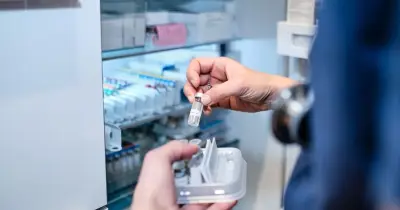
The comments came after reports in independent Russian media alleging Shipilova died following a workplace accident involving Yersinia pestis - the bacterium that causes pneumonic plague. On September 25, she accidentally smashed a test tube containing the pathogen, fell ill with severe respiratory symptoms within days, and died on October 2.
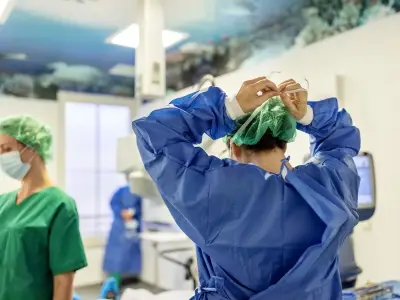
Russian authorities are said to have moved quickly, with at least three regional hospitals placed under strict quarantine and around 200 people who had contact with Shipilova isolated or put under medical observation. But Moscow is pushing back hard.
Russia denies leak, US urges transparency
Russia’s public health watchdog Rospotrebnadzor has denied any lab leak, insisting Shipilova died from “pneumonia of unknown origin” and that preliminary tests on her contacts have returned negative results, ABC News reported. Washington is also applying pressure for transparency.
Earlier on Monday, the US State Department urged Russia to “share accurate information quickly and openly” about the potential outbreak, the New York Post reported. Secretary of State Marco Rubio said: “There’s very limited travel between the US and Russia, obviously. But like anything else, something like that gets out, it could certainly spread. So we’re watching and monitoring it closely. I don’t think it’s cause for alarm but it is cause for focus and a cause just to keep an eye on it.”
Despite the alarming rhetoric, international health experts have stressed the risk of a global pandemic remains very low, pointing out pneumonic plague is treatable with modern antibiotics if detected early.