
Britain has been named the best place in the world to die, according to a survey by the Economist Intelligence Unit (EIU). The UK topped a list of 80 countries for palliative end-of-life care, with the EIU praising the country for minimising the financial burden on patients, noting that 80% to 100% of end-of-life care services are funded by sources other than the patient, much of it from charitable funding.
However, the findings appear at odds with British attitudes towards death. A separate survey by the Dying Matters Coalition found that nearly three-quarters of Britons believe others are uncomfortable discussing dying and bereavement. Only 35% had made a will, 40% had life insurance, 32% were registered organ donors, 27% had discussed funeral wishes, and just 7% had talked about the care they might want if unable to make decisions.
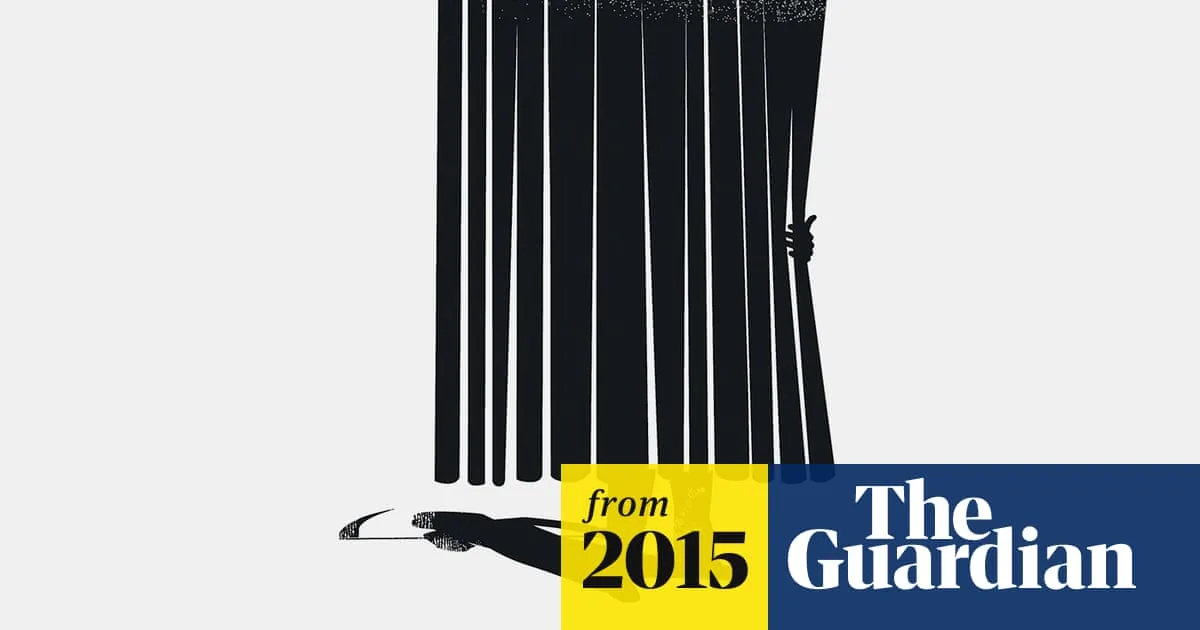
Laura Middleton-Green, a lecturer in palliative care at the University of Bradford, said death is often invisible in hospitals. Patients who are dying are moved to a second room, and porters are told over the phone that there is a patient for 'Rose Cottage' when taking a body to the mortuary. She added that medical advances have led people to believe they are immortal, with faith in science replacing religion.
Despite the apparent denial of death, the EIU survey suggests that the UK's high ranking is partly due to efforts by groups such as the Dying Matters Coalition to encourage open discussion and planning for the end of life. The corollary is that if Britons are in denial about death, other countries are even more so.




