
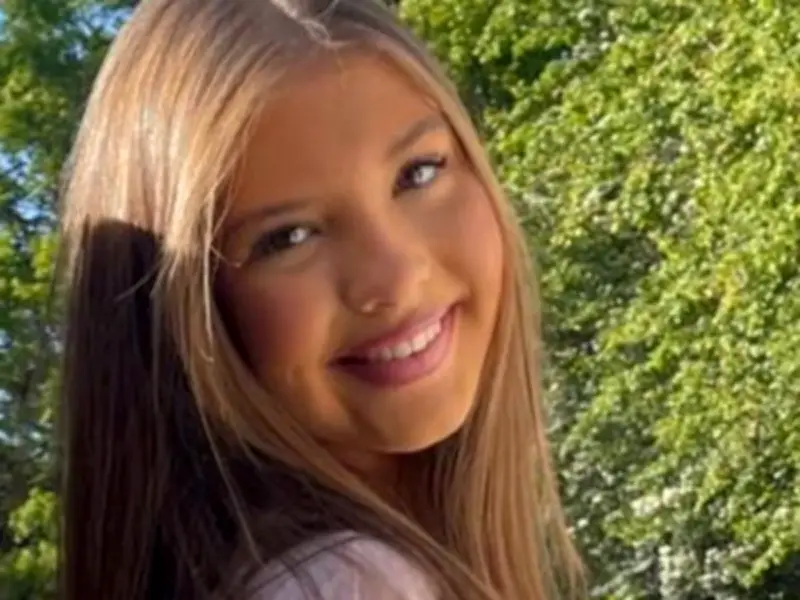
Danielle Andersen, 17, from West Wickham, London, experienced persistent headaches for five days in July 2025. She initially attributed them to dehydration during a heatwave, but the pain persisted despite drinking large amounts of water. She went to A&E at Princess Royal University Hospital in Locksbottom, where a consultant noticed abnormal eye tracking. A CT scan revealed a slow-growing brain tumour known as a dermoid cyst, a benign growth that medics believe had been present since birth.
Delayed Surgery and Initial Recovery
Danielle, a dancer since age seven, had just secured a place at a London performing arts college. She chose to postpone surgery to settle into her first term, saying, "I didn't want to go in as the person with a brain tumour. I just wanted people to know me." She attended every class without missing a day and danced until the week before her admission on December 15, 2025. She was referred to King's College Hospital at Denmark Hill, where the family was told the procedure carried odds of 100 to one against anything going wrong.
During the craniotomy, surgeons noticed Danielle's left arm failed to rise when removing her breathing mask. They told the family it was a "bit of weakness" that would resolve within days. However, four days later, she was completely paralysed down her entire left side. Her right eye remained shut, her head drooped to one side, and she could not move her arm, leg, or hand. An MRI scan revealed that three blood vessels had been severed during the operation, causing a stroke. It was three days before Christmas.
Stroke and Intensive Rehabilitation
Danielle's father, Justin, 55, said: "We had been told she'd be home by the 22nd of December. We didn't leave the hospital until February 19." Medics informed the family they were uncertain whether Danielle would ever dance again and told them she was unlikely to recover full function in her left hand. Justin added: "We weren't going to accept that her dreams and her life had gone down the toilet."
Her recovery relied on neuroplasticity, where the brain rebuilds neural pathways to the left side of the body. In the initial weeks, relatives physically manipulated her toe, foot, knee, and arm, repeating each movement a hundred times daily, alongside NHS community physiotherapists and a private neurological physiotherapist. Justin noted: "The physios said Danielle is only getting through this so quickly because her whole family is on board."
Remarkable Recovery and Fundraising
Six months later, Danielle has begun running, jumping, and is taking up dancing once more. She withdrew from her first year to focus on recovery and will resume in September alongside her younger sister Charlotte, 16, who has also earned a place at the same college. Danielle said: "My physio is just turning into dancing again. Before, people had to move my arm because I couldn't move it. Now I'm dancing."
The family is raising funds through GoFundMe for intensive private neurological physiotherapy. Standard NHS stroke rehabilitation focuses on everyday functional recovery, but specialists say a dancer requires six hours of daily rehabilitation—far beyond what the NHS can deliver. King's College Hospital was contacted for a response.




