
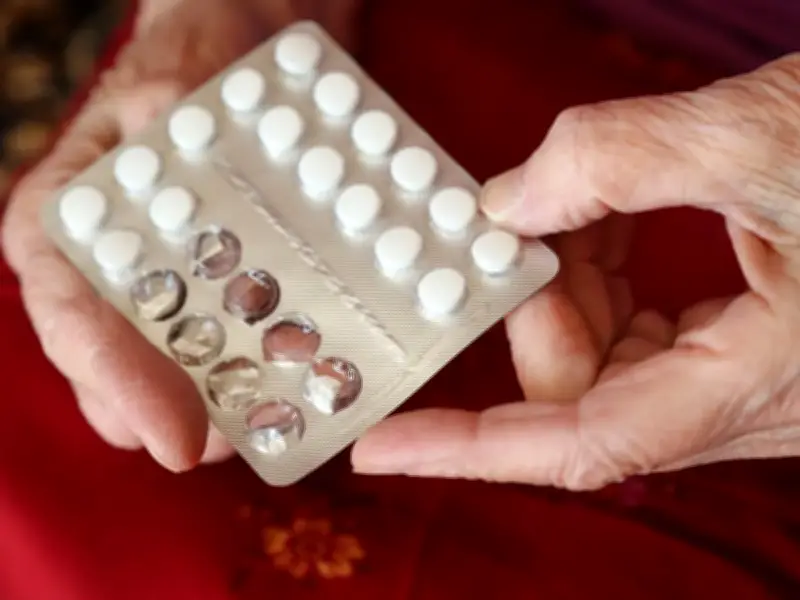
Millions of people taking statins for high cholesterol have been warned about potential side effects and dangerous interactions with other medications. A pharmaceutical expert has explained the risks associated with drugs like atorvastatin, while emphasising that the benefits generally outweigh the problems.
Statins in the UK
An estimated 7 to 8 million adults take prescribed statins in the UK, making them one of the most commonly dispensed medicines by the NHS. Data from the National Institute for Health and Care Excellence (NICE) shows that over 5.3 million people are prescribed these cholesterol-lowering drugs in England alone.
Writing on The Conversation website, Dipa Kamdar, Senior Lecturer in Pharmacy Practice at Kingston University, said: “Like all medicines, statins have side effects. Common ones include headache, digestive upset and dizziness. More serious but uncommon or rare effects include liver inflammation and muscle problems.”
Muscle-related side effects
Kamdar explained that one such condition is myopathy, meaning muscle pain or weakness with raised levels of creatine kinase, an enzyme released when muscle tissue is damaged. In very rare cases, severe muscle breakdown known as rhabdomyolysis can occur.
However, overall among the population taking statins, Kamdar said the main risks lie with other medication being taken at the same time. She noted that large datasets show most people tolerate statins well, and when patients report muscle symptoms while taking statins, there is less than a 10% chance that the statin is actually the cause. Rhabdomyolysis is extremely rare, affecting only a few people per million users. The risk increases at very high doses or when statins are taken alongside medicines that interfere with how they are broken down.
Blood sugar and drug interactions
On blood sugar, Kamdar explained that statins can cause a small rise in blood glucose, mainly affecting people with prediabetes or diabetes. However, because statins substantially reduce heart attack risk in these groups, the overall benefit outweighs this modest increase. Most side effects are reversible once treatment is stopped, whereas damage from heart attacks or strokes can be permanent.
Kamdar also highlighted drug interactions: “Statins such as simvastatin and atorvastatin are broken down in the liver by enzymes known as CYP enzymes, particularly CYP3A4. When other medicines block these enzymes, statin levels in the blood can rise, increasing the risk of muscle-related side effects.” Important interactions include antifungal medications such as ketoconazole, certain antibiotics like erythromycin, immunosuppressants such as ciclosporin, and some heart drugs including amiodarone and diltiazem. Even grapefruit can interfere with statin metabolism, as it contains chemicals called furanocoumarins, which block CYP3A4 enzymes in the gut, allowing more statin to enter the bloodstream. Not all statins are affected to the same extent, so switching to a different statin could reduce this risk.
Lifestyle changes remain vital
Kamdar said that statins are effective, but people need to actually change their lifestyles to handle cholesterol as well, and not just rely on medication. Losing weight is absolutely vital and is a major cardiovascular risk factor. A review found that combining diet and exercise reduced body weight, improved cholesterol levels and lowered cardiometabolic risk, reducing factors linked to heart disease and type 2 diabetes.
National guidelines recommend reducing saturated fat intake to help lower LDL cholesterol. Saturated fats are commonly found in butter, fatty meats and processed foods. Replacing them with unsaturated fats, such as those found in olive oil, nuts and seeds, can improve cholesterol levels. Shifting towards plant-based proteins like beans, lentils and soy may also reduce reliance on red and processed meats. Research shows that higher fibre consumption is associated with better cholesterol levels and lower heart disease risk.
Kamdar added: “Ultimately, treatment decisions should be personalised, balancing cardiovascular risk, the proven benefits of statins, potential side effects and what lifestyle change is realistically achievable. Statins have transformed cardiovascular care and saved millions of lives. Yet they remain controversial. Addressing poor diet, physical inactivity and obesity remains central to reducing the burden of heart disease in the long term.”




