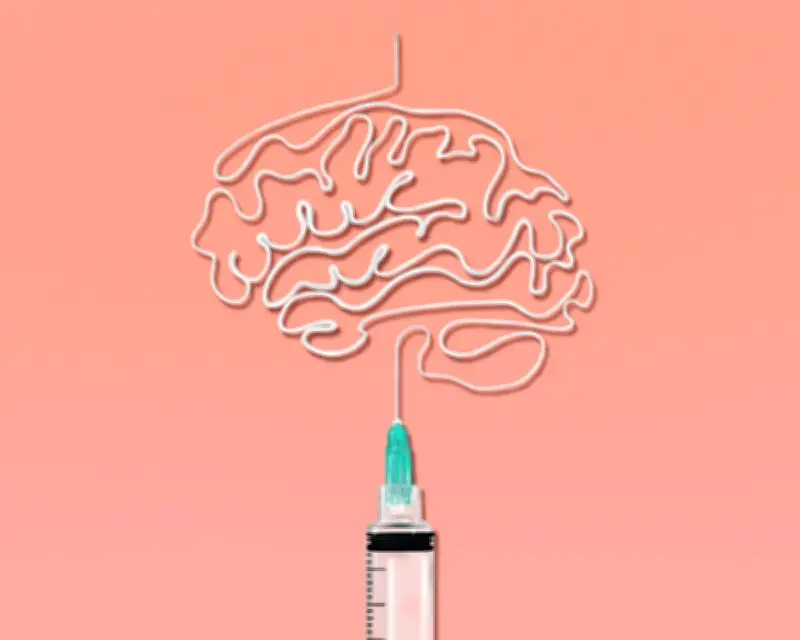
Demand for the shingles vaccine is soaring, driven partly by people hoping it may offer protection against dementia. While studies suggest a potential benefit, the evidence is not conclusive, yet it is enough to fuel a boom in jabs.
Jenny, a 50-year-old marketing professional from Cambridge, got her shingles vaccine last year with dementia on her mind. Having witnessed three of her four grandparents succumb to dementia, she hopes the vaccine might help.
Rising bookings at high street chemists
Britain's high street chemists have reported a rise in demand for the shingles vaccine, with at least some driven by dementia concerns. While the vaccine is free for some on the NHS, most under-65s pay around £450 for the full two doses.
Recent figures from Boots show bookings for its shingles vaccination service more than doubled over the past year, after rising 30% the year before. Superdrug reports bookings up 41% year on year.
Many who get the shot simply want to avoid shingles, a painful rash triggered by reactivation of the chickenpox virus. The vaccine is not approved for any other condition, but dozens of people told the Guardian that preventing dementia was at least part of their reason.
Studies suggest up to 20% risk reduction
A flurry of studies suggests, but does not prove, that the shingles vaccination might offer some protection against dementia. Scientists have reported as much as a 20% reduction in risk, with the strongest effects in women.
Nearly 60 million people live with dementia globally, a figure set to rise. By 2040, more than 100 million people are projected to have the disease. In England and Wales, dementia could affect 1.7 million people that year, with annual costs reaching £90bn.
An influential paper in Nature last year focused on a natural experiment in Wales during a shingles vaccination programme. Researchers found dementia rates were 8.5% lower in the vaccine-eligible group over seven years, in women but not men. Since only about half of the group got the shots, they concluded the vaccine lowered dementia risk by nearly 20%.
In 2024, a University of Oxford study analysed health records for more than 200,000 US citizens vaccinated for shingles. Over six years, dementia cases were 17% lower in those who had Shingrix compared with Zostavax, with women showing a 22% lower risk versus 13% for men.
No proof yet, trials under way
None of this is proof. In July, researchers at the University of Bristol found no evidence in English hospital records that Zostavax protects against dementia. Two major clinical trials are under way in Finland and Denmark to see whether Shingrix genuinely protects against dementia, but they won't report for years.
Alzheimer's Research UK does not advise people to have the shingles vaccine specifically to prevent dementia. Instead, it recommends exercise, a good diet and challenging the brain throughout life. Michael Jones, evidence manager at the charity, says: "While new studies finding these links are promising and growing in number, there isn't enough data to demonstrate a direct cause-and-effect relationship."