As UK heatwaves encourage people to sleep with bedroom windows open, many wake to find mosquito bites — but reactions vary dramatically. Khalid Beshir, lecturer in biomedical science at the University of East London, explains that when a mosquito bites, it injects saliva into the skin. Some people are hypersensitive to that saliva, and the resulting immune response may also increase vulnerability to viruses carried by the insect, such as dengue, Zika and West Nile virus.
Why some people react more strongly
Writing in The Conversation, Beshir explains that the immune system recognises mosquito saliva as foreign and releases histamine — an immune cell chemical that causes allergy symptoms such as redness, swelling and itchiness. Crucially, mosquito saliva also contains active compounds that interact with the immune system, including proteins that prevent blood clotting and keep blood flowing so the insect can feed undisturbed.
These salivary proteins influence the immune response at the bite site, nudging it toward a 'Th2' response more associated with allergy-type reactions than fighting infection. For a simple bite, this means more redness, swelling and itching — but the same immune shift may also make it easier for mosquito-borne viruses to spread through the body.

Treating bites and avoiding scratching
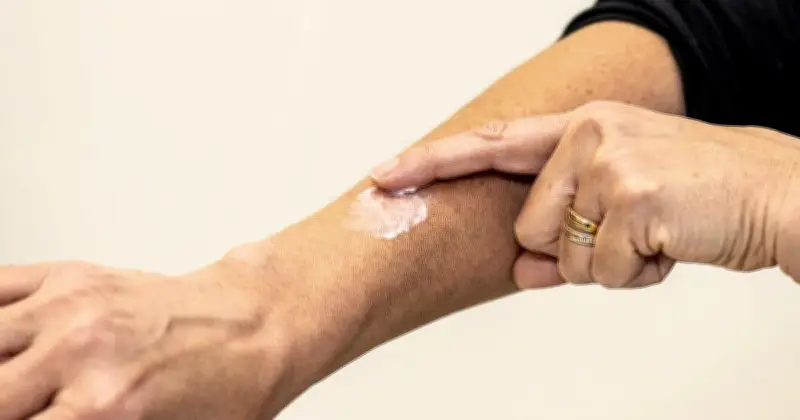
Applying a cold compress soon after a bite may help reduce swelling. Oral antihistamines and mild topical corticosteroid creams can also relieve itching and inflammation, particularly when used early. Avoiding scratching is advised, as it can prolong inflammation, damage the skin and increase the risk of infection. People who develop unusually large reactions, worsening pain or fever should seek medical advice.
Preventing bites remains the best strategy. Using insect repellents, covering exposed skin and sleeping under insecticide-treated bed nets where mosquito-borne diseases occur can all reduce the risk of being bitten.
Children and Skeeter syndrome
Children often react more strongly than adults, and reactions tend to be strongest the first few times someone is exposed to a particular mosquito species. The key reason people react badly comes down to having a mild hypersensitivity to mosquito saliva. A much smaller number develop exaggerated local reactions, sometimes called Skeeter syndrome, where swelling extends well beyond the bite and is often mistaken for bacterial cellulitis.
Skeeter syndrome is thought to result from an unusually strong immune response to proteins in mosquito saliva, involving mosquito-specific antibodies and other inflammatory responses. Why some people develop this exaggerated response is not fully understood — although age, previous exposure and individual susceptibility may all play a role.
Mosquito saliva and disease
Researchers are increasingly recognising that salivary proteins may influence what happens when pathogens are transmitted from mosquitoes to humans. The same immune changes that cause itchy bites appear to help mosquito-borne viruses such as dengue, Zika and West Nile virus establish a stronger initial infection and spread through the body faster than if the virus were injected without saliva.