
CoppaFeel! is urging the NHS to adopt risk-based breast cancer screening after new analysis shows a 5% increase in cases among women under 50 in just one year. The charity claims that younger people with symptoms are routinely dismissed by health professionals.
Current NHS Screening Age Limits
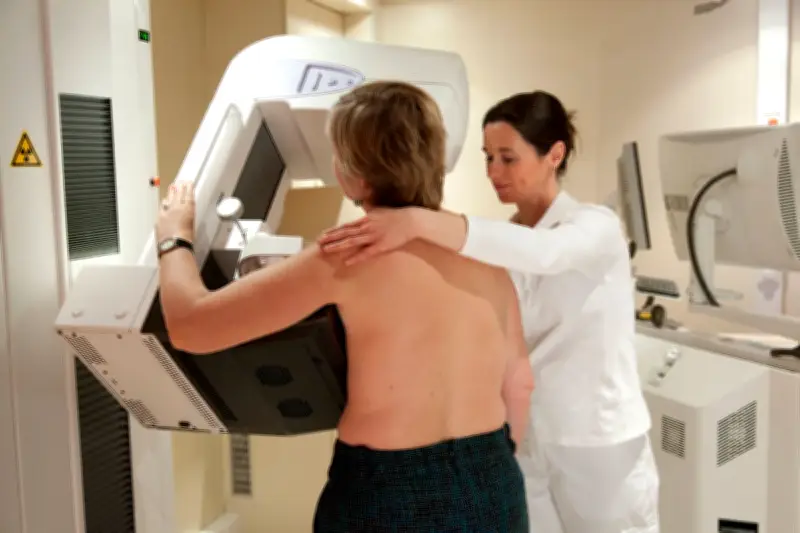
The NHS currently invites women for mammograms from age 50 until their 71st birthday. However, CoppaFeel! argues this age-based approach misses younger women at higher risk. The charity proposes a seven-minute risk assessment that evaluates family history, genetic factors, and breast density to identify those who could benefit from earlier or more frequent screening.
Rising Cases in Younger Women
According to the charity's new report, one in six breast cancer diagnoses now occur in people aged 49 and under. Diagnoses in under-30s jumped 78% between 2001 and 2019, and from 2022 to 2023 rates increased by 5% among 25- to 49-year-olds. Younger patients are nearly twice as likely to be diagnosed with late-stage cancer compared to those in their 60s; for under-25s, the likelihood is more than double.
Call for Systemic Change
Sophie Dopierala-Bull, director of services and engagement at CoppaFeel!, said: “Early diagnosis depends too heavily on whether young people know their bodies, whether they feel confident seeking help, whether they can access healthcare, and whether they are taken seriously when they get there. Awareness matters – CoppaFeel! has spent more than 15 years helping young people know their bodies and feel confident seeking help. But awareness alone cannot carry the weight of a system that was not built with young people in mind.”
The charity recommends that breast awareness be integrated into routine NHS appointments and that clinical breast cancer trials include at least one in six participants under 50.
Personal Stories Highlight Urgency
Erin Kennedy, Paralympic gold medallist and CoppaFeel! ambassador, was diagnosed with triple negative breast cancer at 29. She said: “Breast cancer was not something I thought would become part of my story. I was lucky that I knew my body and acted when something felt wrong. But no young person’s outcome should depend on luck, or on whether someone believes they are old enough to have breast cancer.”
Dr Elizabeth Lynch, a GP and member of CoppaFeel!'s medical advisory group, said a brief conversation could help younger people understand what is normal and when to seek help. She added: “Although the prevalence of breast cancer in younger people is low, there are identifiable risk factors that may highlight those that need additional support, and a brief chat would ensure this cohort was identified by their healthcare professional, their worries and concerns addressed, and tailored, appropriate and timely intervention offered.”
Government Response
A Department of Health and Social Care spokesperson said: “It is unacceptable that people have faced delays in receiving cancer diagnosis and care, and our thoughts are with all those who have been let down. We are determined to help people of all ages and backgrounds get faster diagnoses, quicker treatment, and the support they need to live well for longer. Through our National Cancer Plan, all patients will receive a personalised plan from 2026, covering treatment, mental health, employment, and financial support. We are also removing age-based barriers to clinical trials, ensuring young adults can access the most innovative treatments available.”




