
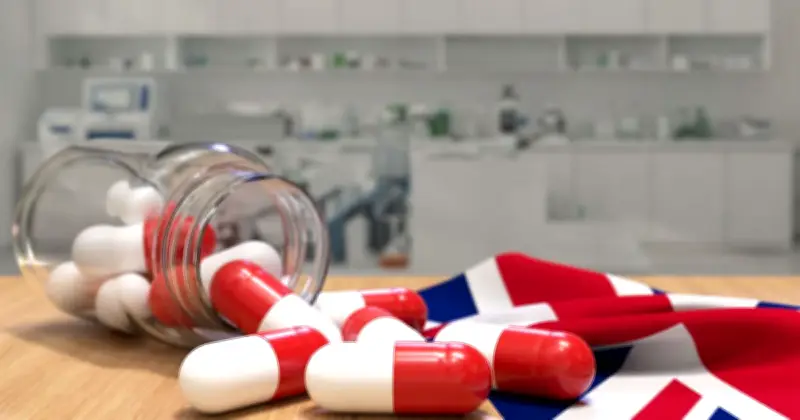
High street pharmacists have sounded the alarm that the nation's “medicines shortages crisis” is getting worse, with drugs for a swathe of serious conditions now “out of stock”. The Independent Pharmacies Association (IPA) is calling on new Health Secretary Yvette Cooper to “end the complacency”. It claims Labour ministers are “failing in their duty to take urgent action”.
Growing range of medicines affected
The IPA warns pharmacists are having difficulty finding a “growing range of commonly prescribed medicines” – plunging patients into uncertainty about whether they will be able to get the treatments they need. It states that the latest “out of stock” bulletins circulated by wholesalers include medicines used to treat migraines, depression and anxiety, high cholesterol, high blood pressure, enlarged prostates and underactive thyroids.
The pharmacists' body warns shortages are made worse by pressures on the global supply chain from disruption to shipping in the wake of the Iran crisis as well as “rising transport and energy costs”. It accuses ministers of failing to “treat medicine shortages as a national security issue”.
Pharmacists on the frontline
Leyla Hannbeck, chief executive of the IPA, said: “Pharmacists across the country are the frontline in the medicines shortages crisis as they deal daily with anxious, alarmed, and sometimes understandably angry patients. Local pharmacies will always do their very best to source alternatives where patients' usual medicines are unavailable and they work tirelessly to try and source supplies of the drugs patients rely on.
“But there is only so much pharmacies can do alone. The medicine supply system is broken. Medicines shortages need to be treated as a national priority and that just isn't happening. Instead, what we are getting from ministers and officials is complacency. With patient care under threat such complacency is simply not an option.”
Ms Hannbeck called on the Government to “urgently direct GPs to prescribe six-month repeat batch prescriptions so that pharmacists can control and dispense monthly – to monitor use, prevent waste and stagger demand to avoid shortages”.
She added: “Even when pharmacies are able to source in-demand medicines the price they are paying in the open market is regularly higher than the reimbursement they get from the NHS. This means that, all too often, pharmacies are dispensing at a loss and effectively subsidising the NHS. We have written to Ministers to ask why they think this is legally right, but we have heard nothing. Their silence is disgraceful. Now that Yvette Cooper has her feet firmly under her new desk as Health Secretary she needs to act now. If she doesn't, more patients, with more serious conditions, will struggle to get the medicines they need.”
Political reaction and government response
Shadow Health Secretary Stuart Andrew said: “Millions of people rely on easy access to medication. Disruptions to supply are incredibly serious, whatever their cause. Ministers must urgently set out what they will do to ensure patients can continue to get the medicines they need.”
A Department of Health and Social Care spokesperson said: “The vast majority of the UK's licensed medicines are in good supply and to make sure this remains the case, this government is investing more in the domestic medicine manufacturing industry. We have well-established processes in place to mitigate shortage risks, including using alternative medicines when available, we actively engage with partner countries to bolster supply chains, and have measures in place to support pharmacies with medicine costs.”




