A pharmacist is urging UK households to assemble a 22-item medical kit to prepare for emergencies, following the government's launch of the Be Ready campaign. The three-year public awareness initiative encourages families to stock a basic 72-hour supply of essentials to cope with temporary service disruptions.
Government's Be Ready campaign
The guidance focuses on everyday emergencies such as severe storms, flooding, power cuts, water outages, and temporary communications or internet failures. Officials stress that the campaign does not signal that a specific crisis or attack is looming.
Instead, it aligns the UK with European neighbours like France, Ireland, and the Netherlands, where 72-hour household preparedness is commonplace. The government states that when households can sustain their basic needs for three days, emergency services can focus on those needing the most assistance and restore services more swiftly.
Building supplies gradually
UK residents are advised there is no need to panic-buy or spend large sums at once; the guidance recommends building up modest supplies gradually during routine shopping. The Be Ready checklist includes water, food, hygiene products, torches, blankets, sleeping bags, warm clothing, a radio, power bank, cash, important documents, pet food, baby formula, nappies, and wipes.
The checklist also highlights the importance of a first aid kit, including waterproof plasters, bandages, a thermometer, antiseptic, eyewash solution, sterile dressings, gloves, medical tape, and tweezers, alongside "essential medication" and "medical supplies." On these aspects, the government states: "Always leave enough time to request repeat prescriptions so you have less chance of running out in an emergency. It's important to request prescriptions up to five working days before you need your medicine."
Pharmacist's 15-item first aid kit
Pharmacists have noted the checklist fails to elaborate on which "essential medications" people should include. Jason Murphy, Head of Pharmacy at online pharmacy Chemist4U, has compiled a checklist of medical essentials he believes UK households should consider keeping within reach.
Murphy said: "The Government's new Be Ready guidance is a useful reminder that households should be prepared to manage for a few days if an emergency disrupts access to shops, pharmacies, or other services. But when it comes to health, simply saying 'first aid items' and 'essential medication' can leave people wondering what they actually need."
He states that a "well-stocked first aid kit" should ideally contain 15 items, including assorted plasters, sterile gauze dressing, adhesive or medical tape, crepe or cohesive bandages, a triangular bandage, antiseptic wipes, burn gel or dressings, tweezers, scissors, disposable gloves, an instant cold pack, a foil emergency blanket, eye wash or saline pods, a first aid guide with emergency contact numbers, and a CPR face shield, which is optional.
Seven essential medicines
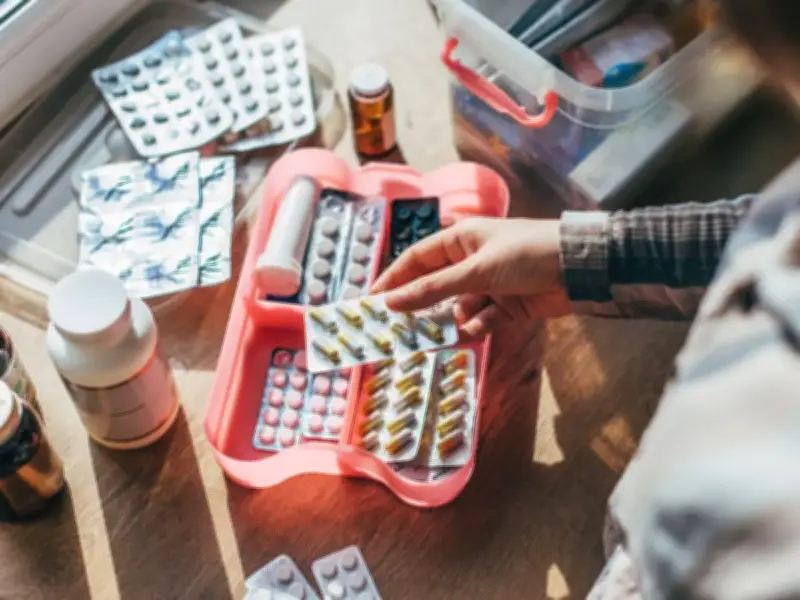
Murphy also suggests keeping a small supply of common medicines, listing seven items that bring the total to 22: paracetamol, ibuprofen where suitable, antihistamines, anti-diarrhoea medicine such as loperamide, oral rehydration salts, indigestion or heartburn remedies, and a thermometer.
He added: "If you rely on prescription medication, don't wait until you're down to your last few doses. Order repeat prescriptions in good time and be especially careful with life-saving medicines such as asthma inhalers and EpiPens. Running out of these in an emergency can quickly become serious."
For those with conditions like diabetes, he advised having spare testing strips, sensors, and other daily equipment, and planning how to keep insulin cool during a power cut. He continued: "Being prepared doesn't mean filling your cupboards with every medicine on the pharmacy shelf. You need enough to deal with common injuries and illnesses at home, plus enough of your prescribed medication and equipment that a few days of disruption to pharmacies or healthcare doesn't put your health at risk."
He also recommended checking the kit every six months and replacing out-of-date items, concluding: "A first aid kit is only useful if what's inside still works."