
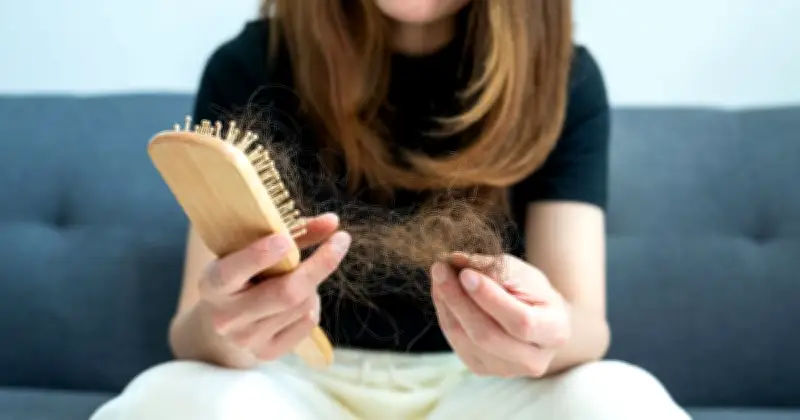
As Brits endure the summer heat, a pharmacist is warning that two common mistakes—wearing a hat too tightly and repeatedly wearing a sweaty, unwashed hat—could contribute to scalp irritation, inflamed hair follicles, and in some cases, hair loss.
Risks of Tight or Sweaty Hats
Adam Crompton, prescribing pharmacist at Chemist4U, explains that while hat-wearing is generally safe, certain habits can cause issues over time. "Most of the time, hat-wearing is completely safe for your hair and scalp, and permanent hair loss from wearing hats is uncommon. However, there are mistakes that can cause issues over time: wearing a hat that’s too tight and wearing a hot, sweaty hat without cleaning it."
He adds: "Many people don’t realise that the issue isn’t usually the hat itself, but how it’s worn and maintained. A breathable, properly fitting hat offers important sun protection, but a tight, sweaty hat worn day after day can create problems for both your scalp and hairline."
Healthy Hat Habits
Crompton advises choosing breathable hats made of cotton, mesh, or straw rather than thick synthetic materials, which trap heat. He also recommends not wearing the same sweaty hat two days in a row, allowing it to dry fully or alternating between two hats, and cleaning them regularly to prevent build-up of sweat, oils, and bacteria.
Washing hair or scalp at the end of hot, sweaty days—even just rinsing with water—can help remove sweat, salt, and debris. Those prone to dandruff or sensitive skin may benefit from a gentle shampoo after particularly hot days.
On very hot days, loosening the hat can reduce constant pressure along the hairline, which is what causes traction alopecia. Taking short breaks from wearing a hat all day can also help reduce pressure and allow moisture to escape. If removing the hat in the sun, scalp-specific suncare products are recommended for extra protection.
When to Seek Help
While noticing extra hairs inside a hat is often just normal daily shedding, Crompton advises concern if there is persistent thinning around the hairline, bald patches, increased scalp irritation, or hair loss that doesn't improve over time. These could be signs of an underlying issue and are worth discussing with a pharmacist or GP.




