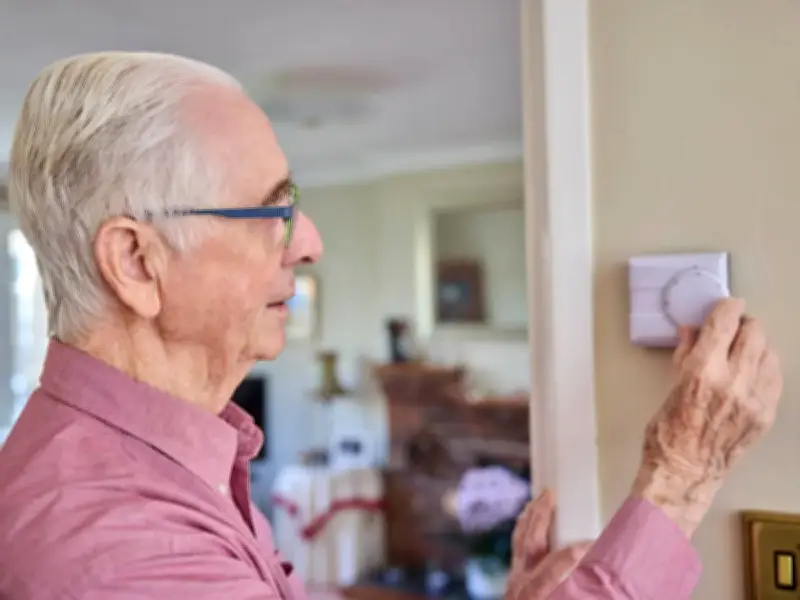
People aged 65 and over are being urged to keep their heating at a minimum of 18C this winter to stay warm and reduce the risk of cold-related illnesses. Both the NHS and the Met Office recommend this temperature for older adults throughout the day and night.
Why 18C matters for older adults
The Met Office has warned that a polar vortex could bring colder conditions and the possibility of snow to the UK this winter, partly due to the El Niño weather phenomenon. El Niño triggers shifts in high- and low-pressure patterns, which can interact with the polar vortex that sits approximately 10 to 50km above the Earth's surface, encircling a mass of bitterly cold air over the North Pole.
According to the national forecaster, the stratospheric polar vortex has "weakened and become dramatically stretched", potentially drawing colder, drier air towards the UK and generating sleet or snow showers. While there is no certainty that this year's warm summer will result in a particularly harsh winter, experts advise against letting home temperatures fall below safe levels.
Health risks and staying warm
Older people, along with those with underlying health conditions and limited mobility, are encouraged to keep their thermostat at no lower than 18C at all times. Maintaining this temperature can help ward off winter illnesses including colds, flu and Covid, as well as more serious conditions such as pneumonia, heart attacks, strokes and depression.
In its winter guidance, the Met Office states: "The cold thickens blood and increases blood pressure, and breathing in cold air can increase the risk of chest infections. So it's all the more important to ensure your home and the homes of people you look out for are the right temperature."
Practical tips to save heat
If heating the entire home is not an option, the advice is to warm only the rooms used most frequently, such as the living room or bedroom, and keep windows closed overnight to retain heat. Drawing curtains at dusk helps trap warmth, and draught excluders can seal gaps around windows and doors. Radiators should not be obstructed by furniture or curtains.
The Met Office also advises remaining active during cold weather, even indoors, to help the body retain heat. People should aim to move around at least once every hour, consume at least one hot meal daily, and have regular hot drinks. For those venturing outdoors, the NHS recommends wrapping a scarf over the mouth to warm the air before inhaling, which can help reduce the likelihood of asthma symptoms being triggered.