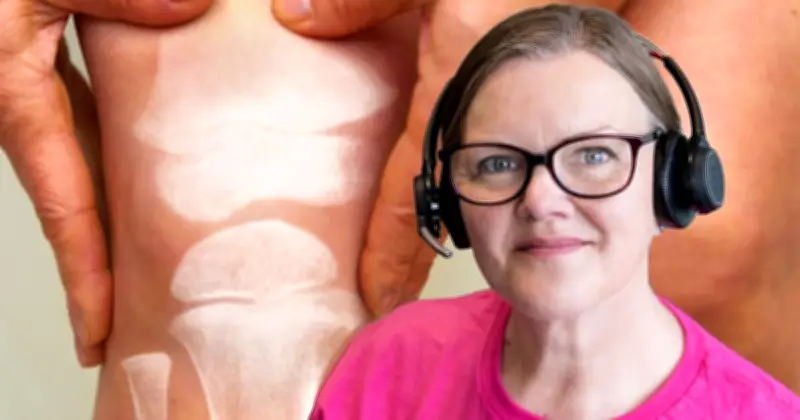
Specialist osteoporosis nurse Kirsty Carne has outlined four steps to help people protect their bone health during the colder months, following advice from the Royal Osteoporosis Society (ROS). Bone health typically peaks around age 30 before declining naturally, particularly in women around the menopause.
An estimated 3.5 million people in the UK have osteoporosis, a condition linked to half a million broken bones every year. Carne, who manages the ROS helpline, said the checklist is designed to reduce the risk of serious problems.
Vitamin D and calcium intake
Carne advised everyone to consider a daily vitamin D supplement between the end of September and the beginning of April. “While many people can get enough vitamin D from sunlight during the summer months, from the end of September to the beginning of April everyone should consider taking a daily vitamin D supplement,” she said. “This is because the sun in the UK isn't strong enough at that time of year for our bodies to make sufficient vitamin D.” The Government also recommends vitamin D supplements between October and early March.
Dietary sources of vitamin D include oily fish such as salmon, mackerel and herring, eggs, red meat, and fortified foods like some breakfast cereals, yoghurts and breads. Calcium is equally important, giving bones the strength and hardness needed for everyday activities, according to the ROS. Good sources include dairy products, leafy green vegetables such as broccoli and cabbage, some fruits including oranges and dried figs, white pitta bread, pasta, rice, and fish like sardines and mackerel. Spinach, while high in calcium, is not well digested by the body.
Most adults need 700mg of calcium a day, including those who are pregnant, the ROS advises. People at risk of osteoporosis or taking medication for it may be advised to increase their intake to around 1,000mg a day.
Staying active and understanding risk
Regular impact exercise, such as brisk walking, can strengthen bones and make them less likely to break. Carne said: “Impact exercise, which can be something as simple as a brisk walk, helps to maintain bone strength, while strengthening our muscles which can also help us stay active and independent.” Other strength exercises include resistance bands, weights such as dumbbells, and everyday activities like carrying shopping bags and gardening.
Carne also emphasised the importance of understanding personal risk. “Winter is a really good time to think about some of the simple things we can all do to look after our bones. Getting enough vitamin D, eating a healthy, balanced diet with plenty of calcium-rich foods helps give our bones the nutrients they need to stay strong, but staying active is important too,” she said.
“But looking after your bones isn’t only about diet and exercise. It’s also important to understand your own risk of osteoporosis.” Osteoporosis is a long-term condition where bones become weaker and break easily, though treatment can reduce the risk of breaks and fractures.
Carne added: “The condition can develop without obvious symptoms, so you may not know your bones have become weaker until you break a bone. Taking a few minutes to think about your bone health now could make a real difference in the future.” The Royal Osteoporosis Society’s Great British Bone Check is a free three-minute online check that helps people understand their personal risk of osteoporosis and broken bones, and what steps they may need to take next.