
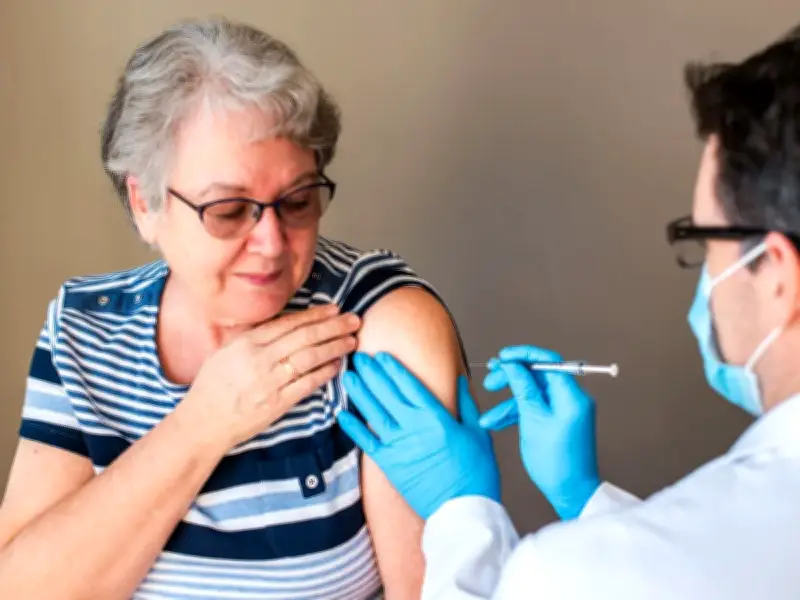
Older Brits have been urged to get their flu vaccine and "not get complacent" after new data uncovered thousands of deaths caused by the virus. The new figures from the UK Health and Security Agency (UKHSA) included in its annual report have revealed that 3,798 people died from the flu last winter.
An additional 13,048 were hospitalised during the season, with admissions peaking towards the end of the year, and the vast majority caused by an unknown subtype of the most common strain of the virus, influenza A. That toll could have been much higher, the agency found, were it not for the country's extensive vaccination programme, which prevented an estimated more than 100,000 admissions and more than 7,000 deaths.
Most deaths among over-65s
The vast majority of deaths last year were reported among older Brits aged 65 and over, with 3,442 of the total attributed to the age group. The remainder of deaths were among the much larger age group covering people aged 15 to 64, with 346, while three people aged between five and 14 died from the virus, and seven aged between zero and four.
Hospital admission rates were also highest among the same group, with the oldest Brits making up the largest burden amongst the population. During the same season, Covid killed 8,000 people in the UK, with up to 26,000 hospitalisations reported by NHS England alone, again primarily impacting the oldest Brits.
Vaccine effectiveness and uptake
The epidemiological report found that vaccination rate coverage for the flu was high among the over 65 Brits, but still far from total, with rates ranging from 71 percent to 75 percent by home nation. This is despite the overall vaccine effectiveness in adults being lower than the previous winter, having fallen to 21 percent from 34 percent the preceding year.
Effectiveness was slightly higher - more than 50 percent - among children, who are known to spread flu to older age groups, leading them to become very ill themselves. The infection situation could have been much worse, the official figures show, with thousands of lives saved and hundreds of thousands of hospitalisations prevented by the national vaccination programme.
Experts urge uptake
They estimate that 104,000 hospital admissions were prevented, on top of an excess 7,100 deaths during the season, which started during the second half of October. UKHSA figures also show the vaccine for RSV - which causes 5,000 to 7,900 deaths per year in the UK amongst older Brits - was around 82 percent effective at preventing hospital admissions among older adults aged 75 to 79.
Reacting to the data, Caroline Abrahams, charity director at Age UK, called on older people to take the vaccine. She said: "Nearly 4,000 deaths linked to flu in a single winter is a stark reminder that these seasonal viruses should never be dismissed as just a bad cold, particularly in later life."
"With flu cases continuing to increase, vaccinations are still one of the most effective ways we have of protecting ourselves against serious illness. The latest evidence shows that vaccination prevented thousands of hospital admissions last winter and helped reduce the pressure on NHS services at one of the busiest times of the year."
"If you are offered a flu, Covid-19 or RSV vaccination this autumn and winter, we strongly encourage you to take up the opportunity. These vaccines can reduce your risk of becoming seriously ill and help you stay well, independent and active throughout the colder months."
Many older people are already facing challenges this winter, including concerns about energy costs, keeping warm and managing existing health conditions. "Having the vaccinations you are entitled to is one practical step you can take to protect your health. I would also encourage friends and family members to check that older relatives know which vaccinations they are eligible for and help them to arrange appointments if needed."
Flu activity throughout September has been higher than in the same period during all past four winter seasons. While still at baseline (very low) levels, flu trends have been rising since August and there are possible signs that we may see an early flu season.
The Government has also pushed for higher uptake amongst the older and vulnerable, with health minister Dame Diana Johnson saying dangerous viruses are spreading more easily in the winter. She said: "During the winter months, dangerous viruses spread more easily, posing an increased risk to older people and those with existing health conditions, who are more vulnerable."
"I am proud to support Age UK's campaign and encourage everyone who has not yet come forward to book life-saving vaccinations against flu, Covid-19 and RSV as soon as possible."
The warning comes after the UKHSA last month published its September 28 to October 4 respiratory virus surveillance report which found flu activity, while circulating at baseline levels, was skyrocketing compared to previous years. The UKHSA warned activity throughout September was higher than in the same period during all past four winter seasons.
Flu hospitalisations at the time were 1.97 per 100,000 people. The data, it added, indicated a potential early flu season as trends for the virus continued to rise over August, just as Covid cases were circulating in kind.
Dr Jamie Lopez Bernal, consultant epidemiologist at UKHSA, said: "Covid-19 activity and flu levels are increasing, so now is the time for those eligible to get vaccinated. You're eligible for a flu vaccine if you're over 65 or have certain long-term health conditions, and for the Covid-19 vaccine if you're 75 or over, immunosuppressed or living in a care home."
"This is because you're more likely to become seriously unwell if you catch these viruses. It's also important to remember the simple steps we can all take to reduce the spread of winter viruses, including staying at home if you are unwell, good hand hygiene and covering coughs and sneezes."
"You should avoid anyone who is particularly vulnerable and do not visit those at greater risk in hospitals and care homes."




