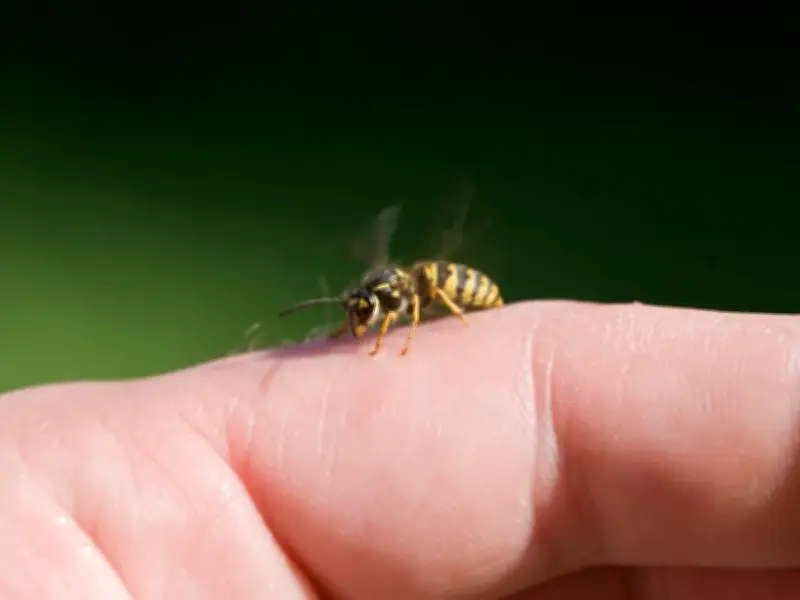
As the unpredictable weather continues, many people are still spending time outdoors, increasing the likelihood of encounters with wasps and bees. Estimates suggest half of people are stung by a wasp or bee at least once in their lives, and some may discover they are allergic to the venom.
Allergy risks and statistics
Allergy UK states: “Wasp and bee stings can occasionally cause serious life-threatening allergic reactions so it is important to know the symptoms to look out for and what to do.” It adds: “Each year there are approximately 10 reported deaths from wasp or bee sting reactions. Wasp stings are twice as likely to cause a fatal reaction due to anaphylaxis compared to bee stings, as wasps can sting multiple times.”
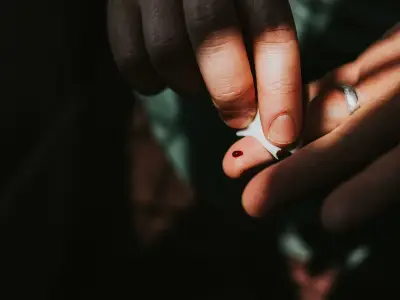
Kelly Fisher, health and wellbeing nurse at Benenden Health, has detailed the symptoms to look out for which could indicate an allergic reaction. She said: “A ‘normal’ reaction to being stung will usually involve a sharp, burning pain when the stinger initially goes in. This will typically be followed by a raised, red lump that is itchy, with potentially some minor swelling around the area where you have been stung. The redness can be harder to spot on darker skin tones, but you should still be able to feel the raised or swollen area.”

Nine signs of an allergic reaction
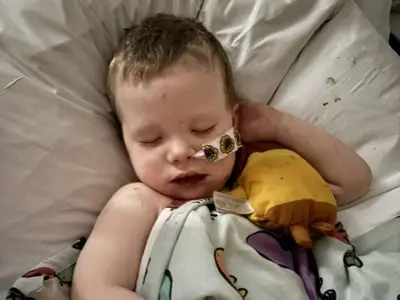
Kelly said there are nine potential symptoms which could signal an allergic reaction. She explained: “A more severe allergic reaction is known as anaphylaxis, which occurs when your body overreacts to an allergen - in this case, the venom contained within the sting.”
Symptoms of anaphylaxis can include:
- feeling dizzy
- nausea or vomiting
- stomach cramps
- weakness
- persistent coughing
- hives
- a sense of impending doom
- swelling in the mouth or throat
- wheezing or difficulty breathing
The nurse said most minor symptoms of a bee or wasp sting start “within minutes” but the “most severe anaphylactic reactions can also occur very quickly after being stung”, so it’s important to be aware of any changes in how you are feeling.
Advice and treatment
Kelly said: “If you have never been stung before and are unsure whether you have an allergy, it is good to treat the sting and stay in a safe space where you can monitor your symptoms.” She added: “Bee and wasp stings usually get better on their own, but sometimes you might need medical assistance. If your symptoms are worse than a ‘normal’ localised reaction, you have been stung in your mouth or throat or near your eyes, are vomiting, have received multiple stings or have had a serious allergic reaction to bites or stings in the past, contact 111 for advice.”
The NHS issued guidance on social media on how to treat wasp stings at home, including washing the skin “with soap and water, or antiseptic, to help lower the chance of infection” and “if it’s swollen, put an ice pack wrapped in a cloth, or a clean cloth soaked in cold water, on the sting for at least 20 minutes”. It also advises keeping “the stung part of the body raised if you can”. For more information, visit the NHS website. You should also book an appointment with a medical professional if you have any concerns about your health.