
Hospices are warning that the North East faces a palliative care crisis after new data showed only about 25% of people in the region and North Cumbria die in their preferred location. Regional NHS research found hospital deaths above the national average (43.5% compared to 41.1%), with fewer people dying at home or in a hospice.
Rising demand for palliative care
Demand for palliative care is expected to rise by 39% by 2043. The NHS report also found that end-of-life care remains “hospital-focused” and that many hospital admissions in the final months of life are “not clinically required”.
Hospice chief's concerns
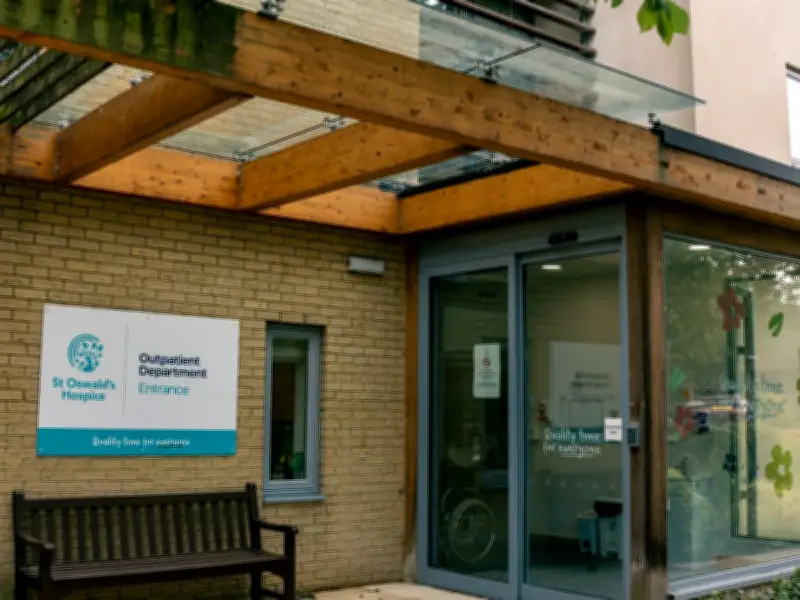
Steph Edusei, chief executive of St Oswald’s Hospice, said: “Most people say they would prefer to die at home or in a familiar setting, surrounded by the people and things that matter most to them, yet too many are still dying in hospital.” She added that people in deprived communities are less likely to have their wishes fulfilled.
Between March 2021 and January 2025, more than 70% of haematology patients attending same-day care at St Oswald’s died outside hospital. When a wrap-around approach is used with partners, 82-90% of people die in their preferred place, avoiding unnecessary hospital stays.
Calls for investment
Marie Curie is urging the government to create a £200m-a-year ‘Transformation Fund’ over three years to shift end-of-life care out of hospitals. Victoria Wharton, director of caring services at Marie Curie, North of England, said: “Everyone deserves to have a good death… it should not depend on where you live.”
ICB response
A spokesperson for the North East North Cumbria Integrated Care Board said it had undertaken a health needs assessment for palliative and end-of-life care and that implementing its recommendations is a priority. The board is developing a strategic commissioning plan with objectives including supporting advance care conversations, increasing identification of people in their last year of life, improving care planning, expanding training, and reviewing hospice commissioning.




